

Alternative Energy Solutions, Battery Storage, and the Real Economics of Solar Power for Greenhouse Farming
Greenhouse agriculture is rapidly transforming food production across South Africa. From hydroponic vegetable farms to high-tech berry tunnels and shade-net production systems, protected agriculture has become a powerful driver of year-round food supply.
Yet beneath the plastic of modern greenhouse operations lies a critical challenge: energy.
Greenhouses require large amounts of electricity for climate control, irrigation, fertigation systems, automation, cold storage, and lighting. As electricity costs continue rising and grid instability remains a reality, many growers are asking an urgent question:
What is the most reliable alternative energy solution for greenhouse production in South Africa in 2026?
Increasingly, the answer is solar energy combined with battery storage as a stable reliable alternative energy.
Solar photovoltaic systems and advanced energy storage technologies are rapidly becoming the most powerful and economically viable alternative energy solutions for greenhouse farming, allowing agricultural producers to stabilise energy supply, dramatically reduce operating costs, and build resilience against power disruptions.
The Energy Crisis Driving Renewable Energy Adoption in Agriculture
South Africa’s electricity environment has changed dramatically over the past decade.
Rising electricity tariffs, aging grid infrastructure, and ongoing load shedding have placed enormous pressure on energy-intensive sectors like agriculture. In fact, electricity tariffs in South Africa have increased by more than 350 percent over the last decade, dramatically increasing operational costs for farms and businesses.
For greenhouse producers, unstable energy supply is not merely an inconvenience—it can threaten entire harvest cycles.
Climate control systems must operate continuously to maintain optimal conditions for crops such as tomatoes, peppers, cucumbers, herbs, and berries. Interruptions to ventilation, irrigation, or temperature control can result in crop stress, reduced yields, or even crop failure.
This environment has accelerated a powerful transition toward private energy generation, particularly solar power systems designed specifically for commercial and agricultural operations.
Solar Energy: The Most Powerful Alternative Energy for Greenhouse Production
Solar energy is now widely considered the most practical renewable energy solution for greenhouse agriculture in South Africa.
Solar photovoltaic (PV) panels convert sunlight into electricity that can power critical agricultural systems including:
- Irrigation pumps
- Climate control systems
- Ventilation fans
- LED grow lights
- Fertigation systems
- Automation and monitoring technology
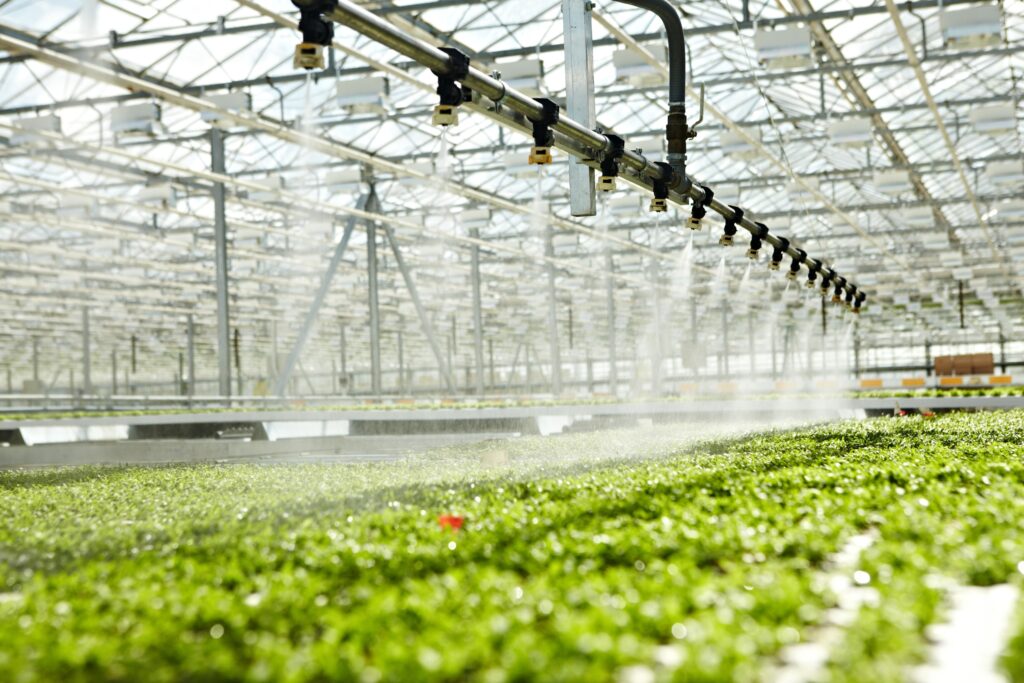
Africa has some of the highest solar irradiation levels in the world, meaning the continent has enormous potential to generate electricity from sunlight and thus have abundant Alternative Energy
This natural advantage makes solar energy especially attractive for farms seeking long-term energy independence and cost stability.
For greenhouse growers operating in regions with consistent sunlight, solar power can provide a reliable source of electricity for daily agricultural operations.
The Solar + Battery Storage Revolution
While solar power alone is powerful, its real potential for agriculture emerges when combined with battery energy storage systems (BESS).
Battery storage allows farms to store electricity generated during sunny periods and use that energy later—during nighttime operations or cloudy weather.
Modern solar energy systems typically include:
- Solar photovoltaic panels
- Smart inverters
- Battery storage systems
- Energy management software
- Grid connection or hybrid microgrid capability
Engineering firms specializing in solar installations increasingly design integrated energy systems that simulate energy production, install the infrastructure, and monitor performance over time to optimize return on investment.
These integrated solar + storage systems ensure that greenhouse farms maintain stable energy supply even when the national grid fails.
Pioneering Solar Projects in Agricultural Production
Across South Africa and Southern Africa, large agricultural operations are already demonstrating the powerful potential of solar energy.
One example is a large citrus estate in Limpopo that installed a 1.6-megawatt solar photovoltaic system combined with 2.28 MWh of battery storage.
The results were remarkable:
- The solar system supplies approximately 90 percent of the farm’s energy requirements
- Grid dependence was dramatically reduced
- The farm significantly lowered both electricity costs and carbon emissions
This example highlights an important trend.
Solar power is no longer experimental for agriculture—it is becoming a strategic infrastructure investment for large-scale farming operations.
Solar Energy Applications Inside Greenhouses
Solar energy can power virtually every component of a greenhouse operation.
Climate Control Systems
Temperature regulation is essential for greenhouse crop production.
Solar energy can power:
- Heating systems
- Cooling fans
- Ventilation systems
- Humidity control equipment
Maintaining stable climate conditions improves crop growth, yield consistency, and product quality.
Solar Irrigation Systems
Water pumping is one of the most common uses of solar energy in agriculture.
Solar irrigation systems power:
- Borehole pumps
- Drip irrigation systems
- Water distribution networks
Solar irrigation is especially valuable for farms located in remote areas where grid electricity is unreliable or unavailable.
Studies show that solar-powered irrigation and farm energy systems can significantly increase agricultural productivity while reducing fuel costs and emissions.
Lighting and Automation
Modern greenhouses rely on sophisticated digital technology.
Solar energy can power:
- LED grow lights
- Sensors and monitoring systems
- Fertigation automation
- Greenhouse climate software
This allows farms to operate high-tech controlled growing environments while minimizing electricity costs.
Agrivoltaics: The Powerful Future of Farming and Energy
An emerging concept in agriculture is agrivoltaics—the combined use of land for both solar power generation and agricultural production.
In agrivoltaic systems:
- Solar panels are installed above crops or greenhouse structures
- Electricity is generated while crops grow beneath the panels
This approach creates a powerful synergy between energy production and agriculture.
Benefits include:
- Improved water retention due to shading
- Reduced heat stress on crops
- Additional income from electricity generation
Agrivoltaics allows farms to maximize land productivity while transitioning to renewable energy systems.
The Economic Power of Solar Renewable Energy
For greenhouse producers, the most compelling reason to adopt solar power is economics.
Solar systems dramatically reduce electricity expenses over time.
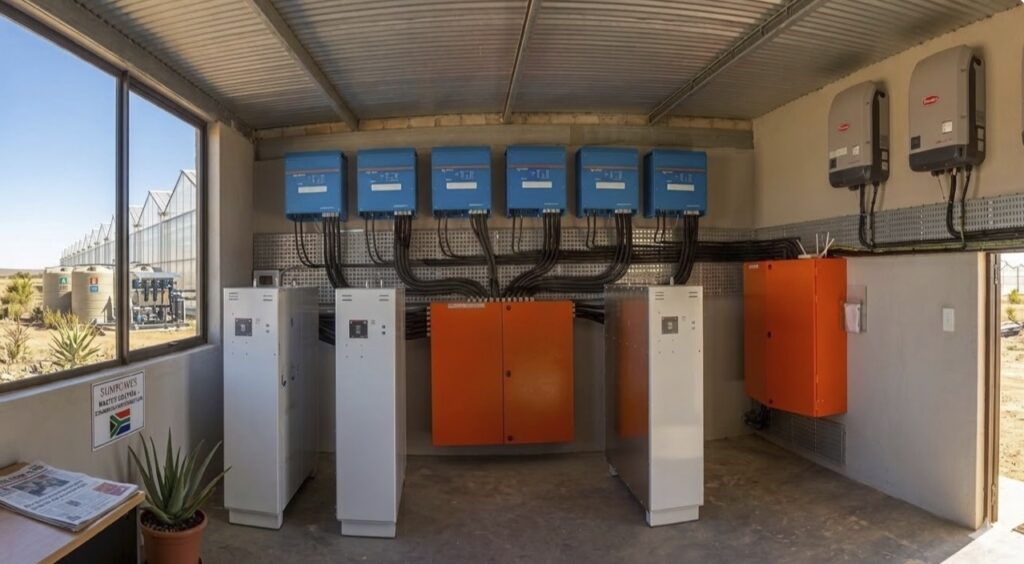
Major financial benefits include:
- Lower electricity bills
- Reduced diesel generator usage
- Protection against future tariff increases
- Increased operational stability
Solar systems also require relatively low maintenance and typically operate for 20–30 years.
This means that once the installation cost has been recovered, farms can benefit from nearly free electricity for decades.
Understanding Solar Amortization and Payback Periods
The biggest barrier to solar adoption remains the initial capital cost.
Installing a commercial solar energy system for agricultural operations can require substantial upfront investment.
However, when analyzed over the life of the system, solar power becomes extremely attractive financially.
Most agricultural solar systems achieve payback within three to six years, depending on system size and financing structure.
Key factors affecting amortization include:
- Electricity consumption levels
- Solar system size
- Battery storage capacity
- Financing model (purchase, loan, or PPA)
After the payback period, energy generated by the solar system effectively becomes zero-cost electricity.
Pros of Solar Energy for Greenhouse Farming
Solar energy offers several powerful advantages for agricultural producers.
Energy Independence
Solar power allows farms to generate their own electricity, reducing reliance on Eskom and protecting operations from load shedding.
Cost Stability
Solar energy shields farms from unpredictable electricity tariff increases.
Sustainability
Solar power produces zero emissions during operation, reducing the environmental footprint of agricultural production.
Increased Property Value
Farms equipped with renewable energy infrastructure often become more valuable assets.
Long System Lifespan
Solar panels typically operate efficiently for decades with minimal maintenance.
Challenges and Limitations of Solar Energy
Despite its advantages, solar energy also presents challenges.
High Initial Investment
Solar installations require upfront capital.
Technical Expertise
Professional engineering and installation are required to ensure system performance.
Weather Variability
Solar energy production depends on sunlight availability.
However, battery storage systems now mitigate this limitation.
Financing Solar Energy for Agricultural Businesses
To accelerate solar adoption, several financing models are available to farmers.
Power Purchase Agreements (PPAs)
In this model, a third-party investor installs the solar system and sells electricity to the farm at a fixed rate.
This eliminates the need for upfront capital investment.
Solar Loans
Banks and renewable energy financiers increasingly offer loans specifically designed for solar infrastructure.
Tax Incentives
Renewable energy investments may qualify for capital allowances and tax benefits under South African legislation.
These financing mechanisms have made solar power significantly more accessible for farms.
The Strategic Future of Solar Energy in South African Agriculture
Solar power is not simply an alternative energy solution—it is rapidly becoming a strategic pillar of agricultural resilience.
Across Africa, renewable energy—especially solar—has become a central component of future energy systems due to its scalability, sustainability, and economic potential.
At the same time, advances in battery storage, smart energy management, and microgrid technology are making solar systems more reliable than ever before.
For greenhouse producers, this means energy systems that are:
- Independent
- predictable
- sustainable
- financially efficient
Strategic Advice for Greenhouse Farmers Considering Solar as an Alternative Energy source
Before installing solar infrastructure, farmers should evaluate several key factors.
These include:
- Current electricity usage patterns
- Peak power demand
- Available installation space
- Battery storage requirements
- Financial payback periods
Working with experienced solar engineers ensures that systems are correctly designed to meet the specific needs of greenhouse operations.
Integrated solar systems that include simulation, installation, monitoring, and optimization provide the best long-term results.
Conclusion: Solar Energy is Transforming Greenhouse Farming
The future of greenhouse agriculture in South Africa is closely tied to energy independence and alternative power systems.
Solar energy, combined with battery storage and intelligent energy management, is proving to be the most powerful alternative energy solution for greenhouse production.
By investing in solar energy systems, greenhouse farmers can achieve:
- lower operating costs
- stable energy supply
- reduced environmental impact
- long-term financial resilience
In a rapidly evolving agricultural landscape, renewable energy is no longer optional.
For greenhouse producers seeking to thrive in 2026 and beyond, solar energy is becoming the foundation of modern, resilient, and profitable farming.
Quick Guide: Solar Energy for Greenhouse Farming in South Africa
Solar energy is currently the most effective alternative energy solution for greenhouse farming in South Africa. Solar photovoltaic (PV) panels convert sunlight into electricity, which can power greenhouse climate systems, irrigation pumps, lighting, and automation technology. When combined with battery storage systems, solar energy can provide continuous power both day and night. Because South Africa has some of the highest solar irradiation levels globally, solar power allows greenhouse farmers to reduce electricity costs, increase energy independence, and improve long-term farm profitability.
Solar Energy vs Traditional Energy for Greenhouse Farming
| Energy Source | Reliability | Operating Cost | Environmental Impact | Long-Term ROI |
|---|---|---|---|---|
| Solar Energy + Storage | High | Low | Very Low | Excellent |
| Grid Electricity | Medium | High | Moderate | Limited |
| Diesel Generators | Medium | Very High | High | Poor |
| Hybrid Solar Systems | Very High | Low | Very Low | Excellent |
Key takeaway: Solar energy combined with battery storage provides the best long-term alternative energy stability for greenhouse production in South Africa.
Estimated Solar System Payback for Greenhouse Farms
| System Size | Typical Farm Type | Estimated Cost Savings | Payback Period |
|---|
| 50 kW | Small greenhouse operation | 60–70% energy savings | 4–6 years |
| 250 kW | Medium commercial greenhouse | 70–80% savings | 3–5 years |
| 1 MW+ | Large agricultural operation | 80–90% savings | 3–4 years |
Solar Power Applications in Greenhouse Farming
| Application | Benefit for Greenhouse Farmers |
|---|
| Irrigation Pumps | Reliable water supply and reduced fuel costs |
| Climate Control | Stable crop growth conditions |
| LED Grow Lighting | Increased crop yields and off-season production |
| Automation Systems | Efficient data-driven farm management |
| Cold Storage | Extended product shelf life |
Frequently Asked Questions
1. What is the best alternative energy for greenhouse farming in South Africa?
Solar energy is currently the most effective alternative energy solution for greenhouse farming in South Africa. The country’s high solar irradiation allows solar photovoltaic systems to generate large amounts of electricity. When combined with battery storage, solar systems provide reliable energy for irrigation, climate control, lighting, and greenhouse automation.
2. How much does a solar system cost for a greenhouse farm?
The cost of a solar system for greenhouse farming depends on the size of the installation and energy demand. Small systems may cost a few hundred thousand rand, while large commercial agricultural systems can cost several million rand. However, most farms recover their investment within three to six years through electricity savings.
3. Can solar energy power a greenhouse at night?
Yes. Solar systems combined with battery energy storage allow farms to store electricity generated during the day and use it during nighttime operations. This ensures continuous energy supply for climate control and irrigation.
4. How long do solar panels last on farms?
Most solar photovoltaic panels have a lifespan of 25 to 30 years. With proper maintenance, solar panels can continue generating electricity for decades while gradually declining in efficiency.
5. How much electricity can solar panels produce on a farm?
Solar production depends on panel size and location. In South Africa, solar systems typically produce 1,500 to 2,000 kWh per kW installed per year due to the country’s strong sunlight levels.
6. Do greenhouse solar systems work during cloudy weather?
Solar systems still produce electricity during cloudy weather, although at reduced output levels. Battery storage systems help compensate for lower production by storing energy during sunny periods.
7. Can solar energy reduce farming costs?
Yes. Solar energy can reduce electricity costs by 60–90 percent, depending on the size of the installation and farm energy consumption. This significantly improves farm profitability.
8. Is solar energy better than diesel generators for farms?
Solar energy is generally more cost-effective than diesel generators. Diesel generators require constant fuel purchases and maintenance, while solar systems generate electricity with minimal operating costs.
9. What are agrivoltaic systems?
Agrivoltaics combine solar energy generation and agriculture on the same land. Solar panels are installed above crops or greenhouse structures, allowing farmers to produce both food and electricity simultaneously.
10. Is solar energy the future of greenhouse farming?
Yes. With rising electricity costs and improving solar technology, renewable energy systems are expected to become the dominant energy source for greenhouse agriculture worldwide.
(M.O)