
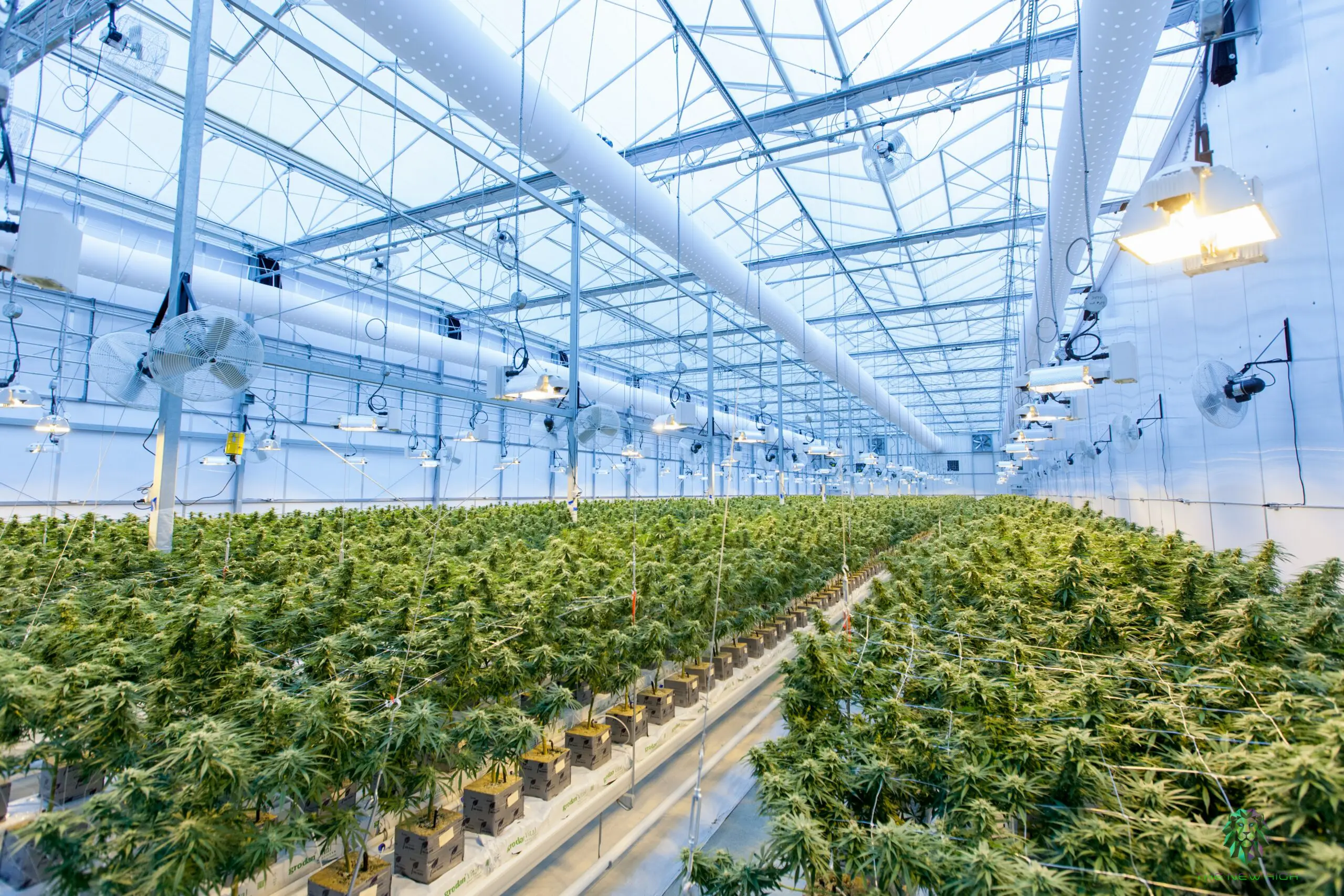
Undercover farming is no longer a small, specialised corner of agriculture. Across South Africa, more producers are turning to greenhouses, shade-net systems, tunnels, hydroponics and aquaponics to improve crop quality, reduce exposure to climate risk and produce more consistently. Undercover Farming Expo describes its annual conference and expo as a platform for farmers to gain practical insight into advanced farming techniques such as greenhouse farming, aquaponics and shade-net agriculture, with events taking place in Gauteng and the Western Cape.
But as protected cropping grows, the expectations around it are growing too.
Retailers, exporters, consumers and supply-chain partners want more than good-looking produce. They want documented proof that the crop was produced safely, responsibly, ethically and sustainably. That is where certification becomes essential.
For undercover farmers, G.A.P., environmental, food safety and social certifications are no longer only “nice to have” documents filed away for an audit. They are becoming a trusted route to market access, buyer confidence, risk management and long-term farming resilience.
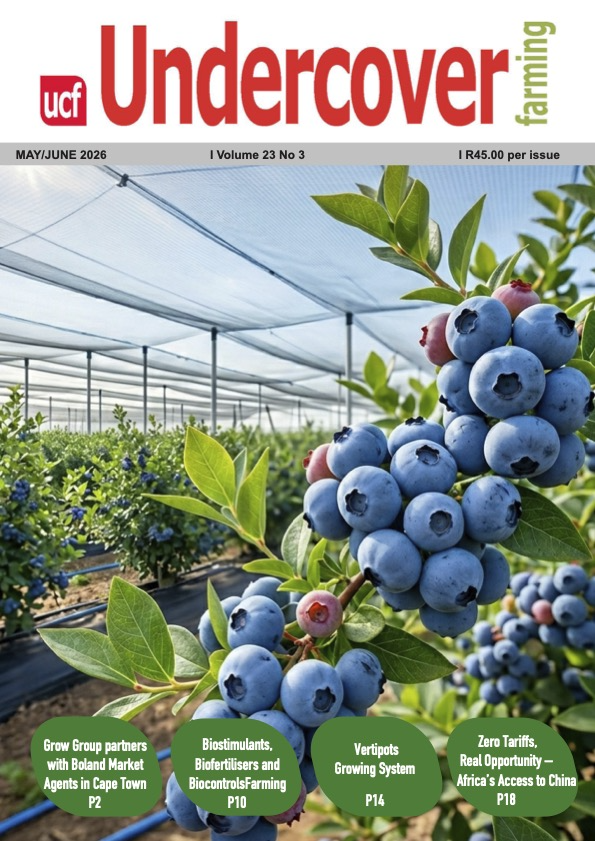
The article published in the May/June 2026 edition of Undercover Farming Magazine made this point clearly: certification has become the bridge that creates trust across the entire supply chain. For South African undercover producers, achieving these certifications is increasingly linked to market access, operational discipline and long-term competitiveness.
Why Certification Has Become So Important in Undercover Farming
Undercover farming gives producers more control over their growing environment. It can help manage water, temperature, crop protection, fertiliser application, hygiene and production timing. But that control also brings higher expectations.
A buyer looking at greenhouse tomatoes, shade-net blueberries, hydroponic lettuce or tunnel-grown cucumbers expects a clean and consistent production system. They expect records. They expect traceability. They expect proof that water is monitored, plant protection products are controlled and workers are treated fairly.
That is why certification matters.
Certification turns farm practices into documented evidence. It shows that the producer is not only saying the right things, but following a recognised, auditable system. It helps farmers move from “we manage this carefully” to “we can prove this has been managed correctly.”
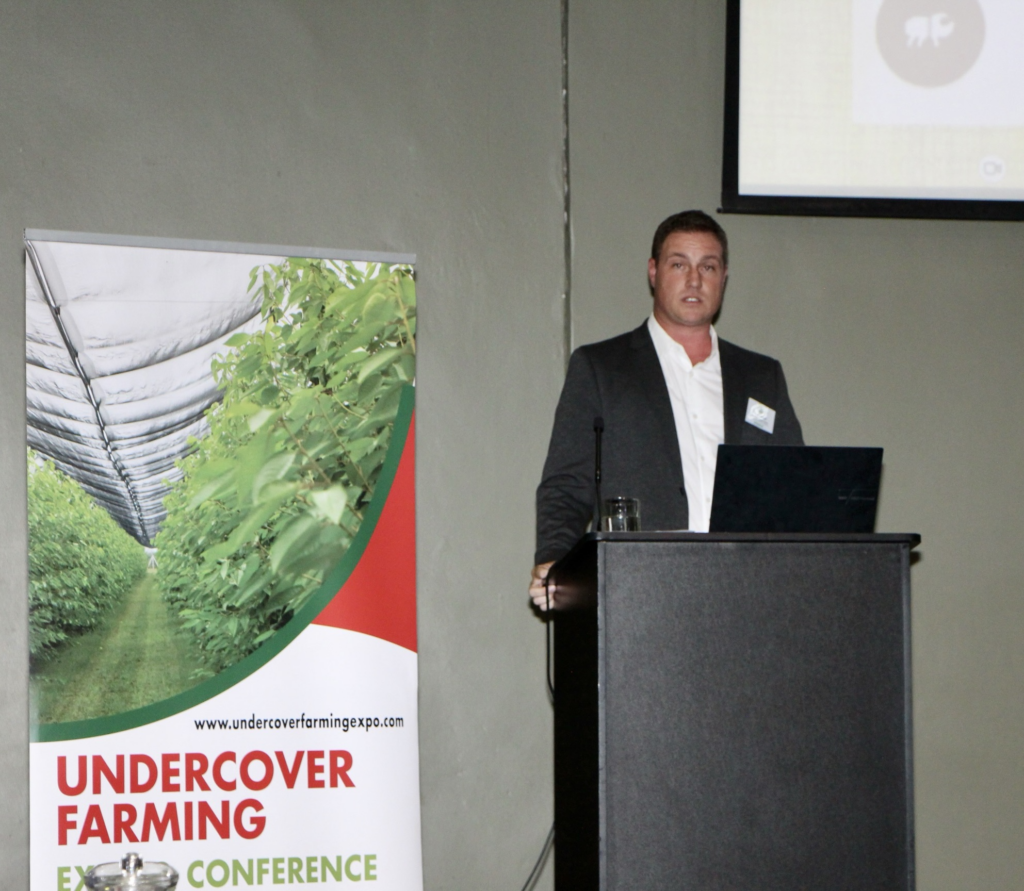
In the Control Union presentation by Ruan Brand, certification was framed around three central benefits: market access, compliance and trust, and improved operations. It opens doors to retailers and exporters, demonstrates legal and reputational responsibility, and improves traceability, efficiency and management discipline.
For undercover farming, those three benefits are not separate. They work together.
A farm with stronger records is easier to audit. A farm with better hygiene systems is less exposed to food safety risk. A farm with better traceability is more attractive to buyers. A farm with clear labour documentation is less vulnerable to social compliance problems.
Certification is not just paperwork. Done properly, it becomes a trusted management system.
GLOBALG.A.P.: The Foundation for Undercover Produce Suppliers
For many producers, the first major certification conversation begins with GLOBALG.A.P.
Control Union describes GLOBALG.A.P. as an internationally recognised standard for agricultural production that supports the safe and sustainable production of food. In a market where retailers and consumers are increasingly concerned about health, the environment and resources, producers are expected to comply with recognised standards.
The Ruan Brand presentation explains GLOBALG.A.P. as a voluntary, widely recognised certification standard for safe, sustainable and responsible farming. It covers food safety, sustainability, traceability and worker welfare, and connects producers with major global supply chains through independent third-party audits.
For undercover produce suppliers, this is often the foundation.
What GLOBALG.A.P. Covers
GLOBALG.A.P. looks at the farm system as a whole. According to the Control Union presentation and UCF article, its scope includes full traceability from farm to fork, water usage and testing, fertigation and nutrient management, plant protection products and residue control, hygiene and worker safety, record keeping and environmental controls.
That scope fits undercover farming especially well.
Undercover producers already work with controlled irrigation, crop monitoring, fertigation, pest control and hygiene systems. GLOBALG.A.P. helps formalise those practices into a trusted structure that can be reviewed and verified.
Why GLOBALG.A.P. Matters for Greenhouses, Tunnels and Shade Nets
Precision systems attract scrutiny. If a farm is growing under cover, buyers often assume that the producer has better control over quality, hygiene and consistency. That assumption can work in the farmer’s favour, but only when it is backed by evidence.
GLOBALG.A.P. helps provide that evidence.
It supports consistent residue control. It requires documented monitoring of water systems. It encourages hygiene discipline. It strengthens record keeping. It also supports biological and Integrated Pest Management programmes, which are becoming more relevant as more producers move toward sustainable and lower-residue systems.
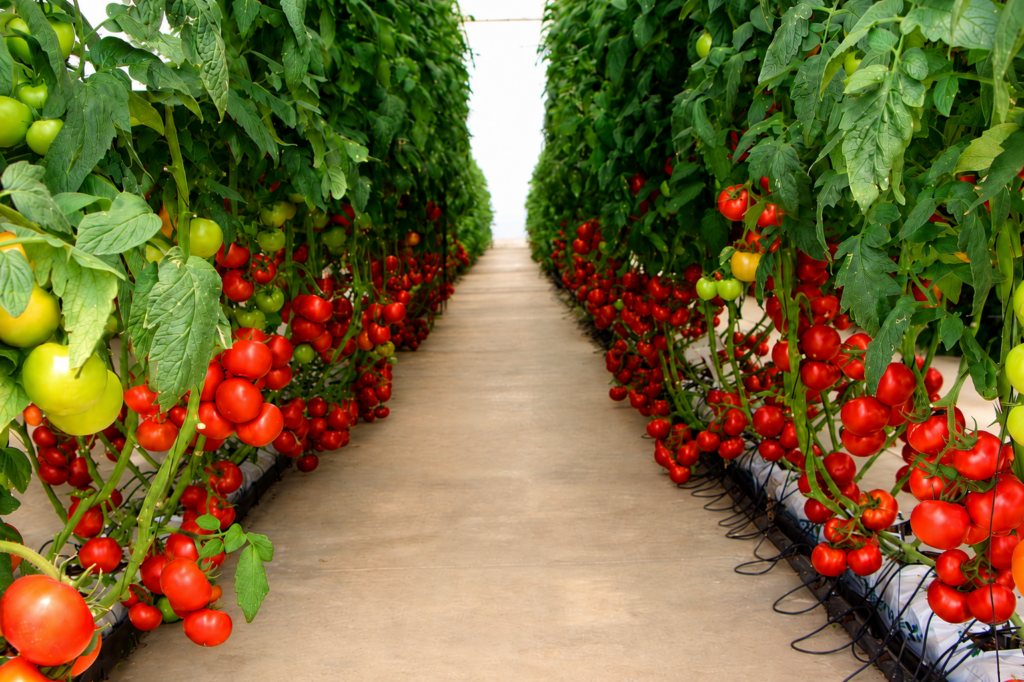
For the farmer, the value is practical. Certification can support access to top retailers, improve export readiness, reduce production risks, lower waste and strengthen credibility through better data-driven decision making.
In other words, GLOBALG.A.P. is not only about passing an audit. It helps create a trusted production language between the farmer, the buyer and the market.
Environmental Certification: Responding to Water, Carbon and ESG Pressure
Environmental certification is becoming more important because sustainability is no longer only a brand message. It is a buying requirement.
Retailers are asking more questions about water use, carbon footprint, biodiversity, chemical containment and natural resource management. South African farmers feel this pressure daily, especially when water scarcity, heat, wind and unpredictable seasons are already affecting production decisions.
The May/June 2026 UCF magazine article notes that retailers increasingly demand Environmental, Social and Governance performance. Conservation expectations are rising, water scarcity is a daily pressure in South Africa, carbon accountability is becoming non-negotiable and resource efficiency directly lowers costs.
For undercover farms, this creates both pressure and opportunity.
Protected cropping systems are often better positioned to demonstrate environmental control. They can manage irrigation more carefully. They can reduce nutrient leaching. They can contain chemicals more effectively. They can support more efficient use of inputs. But again, the market wants proof.
Environmental certification provides that proof.
SPRING: Water Sustainability for GLOBALG.A.P. Producers
One of the key environmental standards highlighted in the Peterson Control Union article is SPRING, a GLOBALG.A.P. add-on focused specifically on water sustainability. It covers legal water abstraction, water risk assessment and testing, efficient irrigation, source monitoring and proactive water stewardship.
This is highly relevant to undercover farming.
Water is one of the biggest constraints in South African agriculture. In protected cropping, water management is already central to production success. Farmers using fertigation, drip irrigation, hydroponic systems or climate-controlled structures must know where their water comes from, how it is used, whether it is tested and how efficiently it supports the crop.
SPRING helps turn those practices into a trusted water stewardship framework.
Carbon, Biodiversity and Organic Certification
Environmental certification can also include carbon footprint assessments, biodiversity modules and organic certification where it fits the farming model.
Carbon footprint assessments help producers understand and communicate their climate impact. Biodiversity modules support natural resource protection. Organic certification may be relevant for producers whose production system, input choices and market positioning align with organic requirements.
Not every farm needs every environmental certification. The right route depends on the crop, buyer, market, production method and long-term business goal. A shade-net berry grower supplying export markets may face different expectations from a hydroponic leafy green producer supplying local retailers.
The important point is that environmental certification helps farmers move from vague sustainability claims to trusted environmental proof.
Food Safety Certification: Non-Negotiable for Sales
Food safety is one of the clearest reasons trusted certification matters.
Consumers expect safe food. Retailers cannot afford recalls. Export markets require proof. Packhouses need documented systems. Farmers need to protect both their buyers and their own reputation.
The Ruan Brand presentation states this bluntly: food safety is non-negotiable for sales. It protects consumers, reduces recalls and claims, ensures hygiene compliance and supports safe handling, packing and storage.
Undercover farming has a natural advantage here.
Compared with open-field systems, protected cropping can reduce certain contamination risks. Structures can help limit animal intrusion. Water quality can be controlled more closely. Hygiene can be managed more consistently. Harvest and packing flows can be designed more carefully.
But the presence of a greenhouse or tunnel does not automatically make a product safe. Food safety must be documented, monitored and verified.
On-Farm Food Safety
On-farm, GLOBALG.A.P. covers primary production. This includes the way crops are grown, irrigated, protected, harvested and handled before they move into the next stage of the supply chain.
For undercover producers, this may include water testing records, spray records, fertiliser records, hygiene procedures, worker training, cleaning protocols and traceability systems.
If a buyer asks where a crop came from, which inputs were used, when it was harvested and how it was handled, the farmer should be able to answer with records, not memory.
That is what makes the system trusted.
Packhouse Food Safety
Once produce moves into packing, the certification conversation changes. For packhouses, standards such as FSSC 22000, BRCGS Food, IFS Food and PrimusGFS set the benchmark.
These standards focus on issues such as facility hygiene, pathogen control, allergen control, packaging material safety, water quality, worker hygiene, traceability and recall systems.
This is where many farms underestimate risk.
A crop can be grown beautifully and still lose market confidence if packing, handling or recall systems are weak. Food safety certification helps close that gap. It ensures that the discipline used in the growing environment continues through handling, packing and storage.
For export-minded or retailer-focused farms, that continuity is critical.
Social Certification: Ethical Production Builds Market Trust
Food production is no longer judged only by the crop. It is also judged by how people are treated.
Retailers and international buyers are paying closer attention to labour practices, wages, contracts, worker safety, accommodation, grievance systems and ethical sourcing. Consumers increasingly want to know that food was produced responsibly, not only safely.
The UCF Magazine article explains that labour practices are under intense scrutiny, retailers require credible social standards, and certification helps reduce HR and legal risk while ensuring worker safety and preventing ethical issues in supply chains.
This is where social certification becomes vital.
GRASP, SIZA and SMETA/Sedex
The main social programmes highlighted in the article and presentation include the GLOBALG.A.P. GRASP add-on for social practices, SIZA, and SMETA/Sedex ethical trade audits.
These programmes help farms demonstrate that labour practices are managed properly. Key audit areas include legal employment, fair wages, no discrimination, worker representation, safe working environments, contracts and documentation, occupational health and safety, and housing where applicable.
For farmers, social certification is often misunderstood as only a compliance burden. In reality, it can support a healthier farm culture.
When workers know policies are clear, contracts are in place, safety is taken seriously and communication channels exist, the farm becomes more stable. Better worker relations can reduce absenteeism, improve productivity and build loyalty. The UCF article specifically notes that social certification can support better worker relations, reduced absenteeism, improved productivity and a stronger farm culture.
A farm that treats people responsibly becomes a more trusted supplier.
Why Certification Is Especially Relevant to Undercover Farming
Undercover farming carries a powerful promise: better control.
That promise must be protected.
A greenhouse, tunnel, shade-net structure or hydroponic system can help farmers improve consistency, manage water and reduce environmental exposure. But buyers will still ask for proof that the system is safe, sustainable and responsible.
This is why certification fits undercover farming so naturally.
The UCF May/June issue also highlights that South African farming is facing heat, wind, water pressure, input costs and unpredictable seasons, making protected production systems more important for farmers who want better control over risk.
Certification supports that same goal. It gives structure to risk management.
Where undercover farming provides physical protection, certification provides market protection. Where tunnels and shade nets reduce crop exposure, certification reduces buyer uncertainty. Where controlled irrigation improves production, records and audits prove that management is happening properly.
Together, they create a trusted farming system.
The Certification Roadmap: How Farmers Can Get Certified
Certification can feel overwhelming at first. There are standards, audits, documents, records, corrective actions and annual maintenance. But the route is more manageable when it is broken into clear steps.
The article sets out a practical four-step process: Select and Assess, Implement, Audit, and Certify.
Step 1: Select and Assess
The first step is choosing the right certification.
A farmer should start with the market. Who is buying the produce? What do they require? Is the farm supplying a local retailer, export agent, fresh produce market, packhouse, processor or direct consumer channel? Does the buyer need GLOBALG.A.P., GRASP, SIZA, SPRING, organic certification or a packhouse food safety standard?
Once the certification route is clear, the farmer should complete a pre-audit or gap assessment. This helps identify what is already in place and what needs attention.
This stage is important because many farms are closer to compliance than they think. They may already be doing good work, but not documenting it properly.
Step 2: Implement the Required Changes
The next step is closing the gaps.
This may involve improving record keeping, updating chemical storage, adding signage, formalising hygiene procedures, training workers, creating traceability systems, testing water, documenting pest control, reviewing labour contracts or improving packhouse procedures.
For undercover farms, implementation should be practical and crop-specific. A hydroponic herb operation will not look exactly like a shade-net blueberry farm. A tunnel tomato grower may have different risks from a leafy greens producer.
The goal is not to create paperwork for its own sake. The goal is to build a trusted system that reflects the farm’s real operations.
Step 3: Schedule the Official Audit
Once the farm has addressed the major gaps, the official audit can be scheduled with an accredited certification body.
The audit checks whether the farm meets the requirements of the chosen standard. The auditor will review documents, inspect facilities, interview relevant people and check whether the system works in practice.
This is where preparation matters.
Farmers should not wait until the week before the audit to organise records. Good certification systems are maintained throughout the season. Spray records, water tests, hygiene checks, worker training and traceability logs must become part of normal farm management.
Step 4: Certify and Maintain the System
If the farm meets the requirements, certification is awarded. But certification is not a once-off event.
It must be maintained.
Annual audits, internal checks, updated records, corrective actions and continuous improvement are part of the process. Buyers want to know that standards are not only met once, but consistently maintained.
That consistency is what makes certification trusted.
Common Certification Challenges and How to Avoid Them
The UCF article identifies common certification challenges such as missing documentation, poor record keeping, inconsistent hygiene, water testing gaps, labour documentation issues and incorrect chemical storage.
These are familiar problems, but they are manageable.
Missing documentation can be fixed by creating simple, repeatable record systems. Poor record keeping can be improved through staff training and weekly checks. Hygiene inconsistency can be addressed with clear procedures, signs and responsibilities. Water testing gaps can be solved through planned testing schedules. Labour documentation can be reviewed before audit season. Chemical storage can be corrected with proper separation, labelling, safety data sheets and restricted access.
Most certification problems are not caused by farmers being careless. They are often caused by informal systems that were never written down.
Certification helps professionalise those systems.
How Control Union Supports Certification
Control Union has been operating since 1920 and grew from roots in agricultural inspections into a global organisation involved in inspections, logistics, quality, certifications and risk management. The Control Union presentation states that the company remains family-owned, employs more than 6,000 people, has a presence in more than 80 countries and runs projects in more than 120 countries.
Control Union’s website also positions the company around certification, inspection, laboratory services, pest control and risk management, with a presence in more than 80 countries.
For farmers, this matters because certification depends on credibility. Buyers need to know that the certificate was issued through a recognised and independent process.
Control Union Certifications focuses on sustainable agriculture supply chains across food, feed, forestry, biomass, bioenergy, social compliance and textiles, and highlights the value of global presence and multi-trained auditors who can help reduce audit fatigue for companies maintaining multiple programmes.
For undercover farmers, this kind of support can be valuable because certification often involves more than one standard. A farm may need GLOBALG.A.P., a water add-on, a social standard and a packhouse food safety certification. Coordinated audit planning can reduce disruption and help farmers approach compliance more strategically.
Certification Is a Business Investment, Not Just a Compliance Cost
Some farmers still see certification as an expense. That is understandable. Audits cost money. Documentation takes time. Changes may be needed. Staff may need training.
But the better question is: what does uncertified production cost?
Without certification, market access may be limited. Retailer opportunities may be closed. Export readiness may be delayed. Buyers may choose competitors with better proof. A food safety incident may become harder to defend. A labour issue may damage reputation. Poor records may lead to waste, confusion and avoidable loss.
Certification helps protect against those risks.
The full value of certification includes market benefits, operational benefits and long-term advantages. According to the UCF article, farmers who certify can gain access to premium buyers, export readiness, stronger negotiation power, greater buyer trust and better compliance with retailer requirements. They can also benefit from reduced waste, cleaner production, better risk management, improved farm efficiency, stronger record systems and a healthier workforce.
That is why certification should be seen as part of farm strategy.
A trusted certificate can help open doors. A trusted system can help keep those doors open.
What Farmers Should Prepare Before Starting
Before starting a certification process, farmers should prepare honestly.
They should know their market target. They should understand what buyers require. They should review their water sources and testing records. They should check whether spray records are complete. They should assess chemical storage. They should review hygiene systems. They should confirm whether worker contracts, wages and safety records are organised. They should check traceability from planting or production batch through harvest and sale.
This does not need to happen all at once. But it must happen systematically.
The first goal is clarity. The farmer needs to know where they stand. The second goal is improvement. The third goal is verification.
That is how certification becomes achievable.
Conclusion: Certification Is the New Language of Market Confidence
Undercover farming is helping South African producers farm with more control in a difficult and changing environment. It supports better crop quality, improved water management and more consistent production. But market access increasingly depends on more than production ability.
It depends on proof.
G.A.P., environmental, food safety and social certifications give farmers that proof. They show buyers that crops are produced safely. They show retailers that systems are documented. They show consumers that food is handled responsibly. They show workers that their rights and safety matter. They show the wider market that the farm is prepared for modern agricultural expectations.
For undercover farmers, certification is not just about passing an audit. It is about building a trusted farm system.
GLOBALG.A.P. helps establish good agricultural practices. Environmental certification supports water, carbon and biodiversity responsibility. Food safety certification protects consumers and supply chains. Social certification builds ethical confidence. Together, these standards help farmers move from production to market readiness.
The roadmap is clear: select the right standard, assess the gaps, implement improvements, complete the audit, certify and maintain the system.
South African undercover farmers who take this seriously will be better positioned for retailer supply, export growth, lower risk and long-term resilience.
In a market where trust is becoming one of agriculture’s most valuable currencies, certification gives producers a practical way to earn it, prove it and protect it.
Q&A
1. Why should an undercover farmer care about certification if the crop already looks good?
Because buyers are no longer only buying what they can see. They are buying proof. A clean, healthy-looking crop may open the conversation, but trusted certification helps close the deal. It shows retailers, exporters and packhouses that your produce is grown, handled and documented according to recognised standards. In a market where safety, sustainability and traceability matter more every season, certification turns good farming into trusted farming.
2. Is G.A.P. certification only for large commercial farms?
No. G.A.P. certification is not only for the biggest producers. It is for any farmer who wants to become a more trusted supplier. Undercover farms of different sizes can benefit from stronger record keeping, better water monitoring, improved hygiene systems, safer crop protection practices and clearer traceability. The sooner a farmer starts building those systems, the easier it becomes to grow into bigger markets.
3. What is the biggest mistake farmers make before an audit?
The biggest mistake is waiting too long. Many farmers only start organising documents when the audit is already close. By then, missing spray records, water tests, hygiene checks or labour documents become stressful. A trusted certification system is built throughout the season, not the week before the auditor arrives. The best farms make compliance part of daily management, not a last-minute panic.
4. How does trusted certification actually help a farmer make more money?
Certification can unlock access to better buyers, retailers, exporters and premium supply chains. It can also reduce waste, improve traceability, lower risk and make farm operations more efficient. A trusted certificate gives buyers confidence, and buyer confidence can strengthen negotiation power. In simple terms, certification helps a farmer move from “I have produce to sell” to “I am a trusted supplier worth doing business with.”
5. Why are environmental certifications becoming so important in undercover farming?
Because water, carbon, biodiversity and resource use are now part of the buying decision. South African farmers already know how serious water pressure has become. Standards such as SPRING help show that water sources, irrigation efficiency and stewardship practices are being managed responsibly. For undercover producers, environmental certification provides trusted proof that the farm is not only producing crops, but protecting the resources that make production possible.
6. What should a farmer do first if they want to get certified?
Start with the market. Ask who you want to supply and what standards they require. Then complete a gap assessment to see what is already in place and what needs improvement. From there, build the right records, train staff, test water, review hygiene, check chemical storage and prepare for the audit. Certification becomes far less intimidating when it is treated as a step-by-step process. The goal is not just to pass an audit; it is to build a trusted farm system that buyers can rely on season after season.
(M.O)