
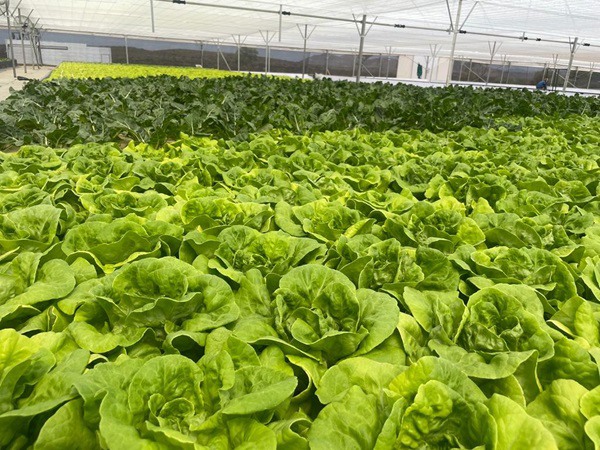
Why soil biology, nutrient density, and regenerative farming practices are becoming essential for profitable greenhouse production.

The Critical Role of Soil Biology in the Future of Protected Agriculture
Why Is Soil Health Important in Greenhouse Farming?
Soil health is critical in greenhouse and protected agriculture because healthy soils support nutrient cycling, improve water retention, enhance plant immunity, and increase nutrient density in crops. Living soils rich in microbial activity help plants absorb minerals more efficiently, reducing reliance on synthetic fertilizers and improving crop quality.
Across the globe, agriculture is undergoing a remarkable transformation. High-tech greenhouses, shade-net structures, and tunnel systems are redefining how food is produced. Farmers now control temperature, moisture, nutrient delivery, and even carbon dioxide levels with precision technologies that would have seemed impossible only a generation ago.
Under cover agriculture has therefore become synonymous with efficiency, productivity, and resilience. From high-value vegetables and berries to entire orchards protected under netting, these systems promise stability in an increasingly volatile climate.
Yet beneath the glass, plastic, and shade structures lies a fundamental truth that technology cannot replace.
The success of every protected cropping system ultimately depends on something far older and far more complex than any greenhouse technology: living soil.

As Andrew Ardington of the Regenerative Agriculture Association of South Africa (RegenAgSA) will highlight during his presentation at the Gauteng Undercover Farming Conference and Expo on 25–26 March 2026 at the CSIR International Conference Centre in Pretoria, the future of productive farming under cover is not simply about technological control. It is about rediscovering and working with the biological systems that sustain plant life.
Join the Conversation at the Gauteng Undercover Farming Expo
Under Cover Farming: A Semi-Controlled Environment
Protected agriculture is best described as a semi-controlled environment. Farmers can buffer crops against climate extremes, protect them from damaging winds or hail, and create optimal growing conditions for high-value production.
Shade-net systems can reduce heat stress and pest pressure.
Greenhouses regulate humidity and temperature.
Tunnel systems extend growing seasons and improve water efficiency.
These technologies represent extraordinary progress in agricultural engineering.
However, even the most advanced greenhouse cannot replace the biological processes that support plant health.
Plants still rely on complex interactions between roots, soil organisms, nutrients, and water. The ecosystem beneath the surface determines whether crops simply survive or truly thrive.
For decades, agricultural science has focused heavily on the chemical and physical properties of soil. Fertilizer programs, pH management, irrigation schedules, and substrate design have dominated production strategies.
The biological dimension of soil, however, has often been overlooked.
Yet agriculture operates on a biologically moderated planet, and ignoring this reality carries significant consequences.
Why Soil Health Matters in Greenhouse Agriculture
Soil Is Not Just Dirt — It Is a Living Ecosystem
In many intensive production systems, soil is treated merely as a growing medium. Its role is reduced to supporting plant roots while holding water and fertilizer.
This view misses the extraordinary complexity of the soil-plant ecosystem.
The Soil-Plant Ecosystem Explained
Soil is not inert material. It is a dynamic biological system filled with microorganisms, fungi, insects, roots, and organic matter interacting continuously.
This hidden ecosystem powers many of the processes that make Earth habitable.
The carbon cycle, the water cycle, and the nutrient cycle all pass through the soil-plant ecosystem. Photosynthesis captures atmospheric carbon, which moves through plants and into soil life. Microorganisms break down organic matter and release nutrients that plants can absorb.
In this sense, soil is not simply the foundation of agriculture. It is the engine of planetary health.
Healthy soils deliver essential ecosystem services that benefit both the farmer and the wider environment. These services include:
• Nutrient cycling and availability
• Water infiltration and storage
• Carbon sequestration
• pH buffering
• Plant-microbe communication
• Disease suppression
When these services function properly, plants become naturally more resilient. Healthy crops are better able to resist pests and diseases, reducing reliance on chemical inputs.
However, when soil biology is degraded, farmers often attempt to replace these ecosystem services with technological solutions.
This frequently leads to a cycle of increasing complexity and cost.
The Hidden Cost of Ignoring Soil Biology
Modern agriculture has made enormous strides in productivity, but many systems have become heavily dependent on external inputs.
Fertilizers supply nutrients that soil microbes once cycled naturally.
Crop protection chemicals compensate for weakened plant defenses.
Sterilization treatments eliminate pathogens but also destroy beneficial organisms.
Each intervention solves one problem but can create others.
The result is often a system that becomes more fragile, more expensive, and more dependent on constant management.
As input costs continue to rise globally, farmers are feeling the pressure of what economists call the cost-price squeeze. Production costs increase faster than commodity prices, narrowing profit margins.
Under cover agriculture is particularly vulnerable because these systems require significant capital investment in infrastructure, energy, and equipment.
If farmers rely solely on purchased inputs to maintain productivity, profitability becomes increasingly difficult to sustain.
This is where living soil becomes not just an environmental concept but a powerful economic advantage.
Nutrient Density and the Biology of Food
Nutrient Density: From Marketing Buzzword to Biological Reality
What Is Nutrient Density in Food?
Nutrient density refers to the concentration of vitamins, minerals, phytonutrients, and beneficial compounds present in food relative to its calorie content. Research increasingly shows that crops grown in biologically active soils often contain higher levels of nutrients, antioxidants, and flavour compounds.
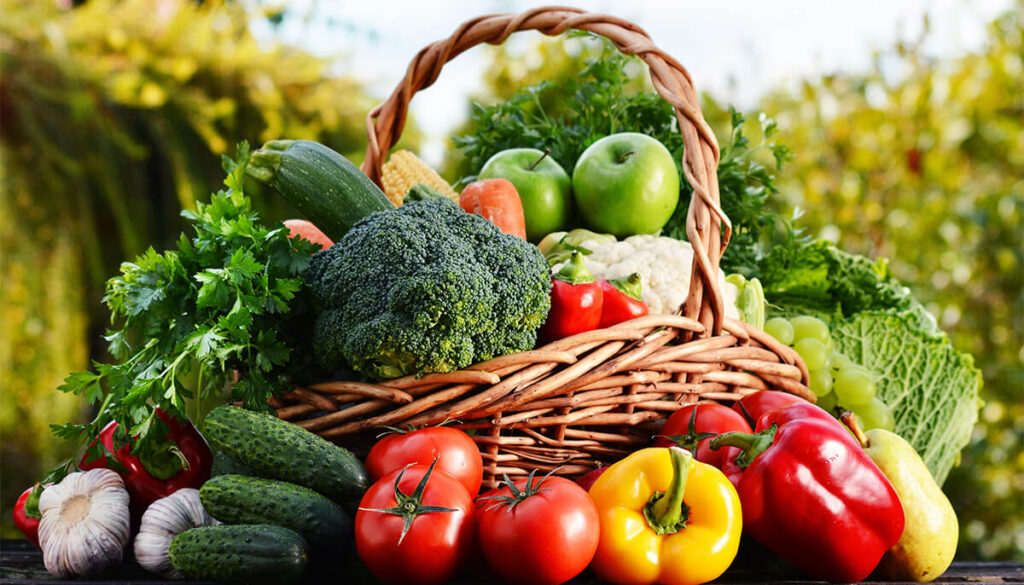
Consumer expectations around food are also changing rapidly. More people are asking where their food comes from, how it is produced, and whether it is truly nutritious.
Terms such as nutrient density, regenerative farming, and soil health are becoming increasingly common in conversations about food quality.
For many years, however, the concept of nutrient density was poorly defined. Food quality was often measured only through basic nutrient analysis focused on nitrogen, phosphorus, and potassium.
This narrow approach ignored the vast range of minerals, phytonutrients, and secondary plant compounds that influence flavour, shelf life, and human health.
The Bionutrient Food Association, based in the United States, has spent more than a decade researching how soil health influences food quality.
Their work has revealed something profound.
The strongest correlation with nutrient density in crops is soil respiration, which measures microbial activity in soil.
In simple terms, the more biologically active the soil, the more nutritionally complex the food produced from it.
This relationship extends beyond plant production. Livestock raised on diverse natural grazing systems often produce meat with higher nutrient density compared to animals raised on grain-based feedlot diets.
Healthy soil supports healthy plants, and healthy plants support healthy animals and people.
The CO₂ Yield Paradox in Protected Agriculture Bigger Plants, Less Nutrition?
Another emerging challenge in protected agriculture relates to atmospheric carbon dioxide levels.
Higher CO₂ concentrations stimulate plant growth by increasing photosynthesis. Many greenhouse systems deliberately elevate CO₂ levels to boost crop yields.
While this practice can increase biomass and productivity, research suggests it may also dilute nutrient concentrations in plants.
When plants grow larger due to increased carbon availability, the relative concentration of minerals and micronutrients can decrease if the soil cannot supply additional nutrients.
The result may be crops that look impressive in size but are less nutritionally dense.
For under cover producers seeking both yield and quality, this presents a critical challenge.
Without biologically active soils capable of supplying complex nutrient profiles, production systems risk becoming visually productive but nutritionally hollow.
What Regenerative Agriculture Really Means
What Is Regenerative Agriculture?
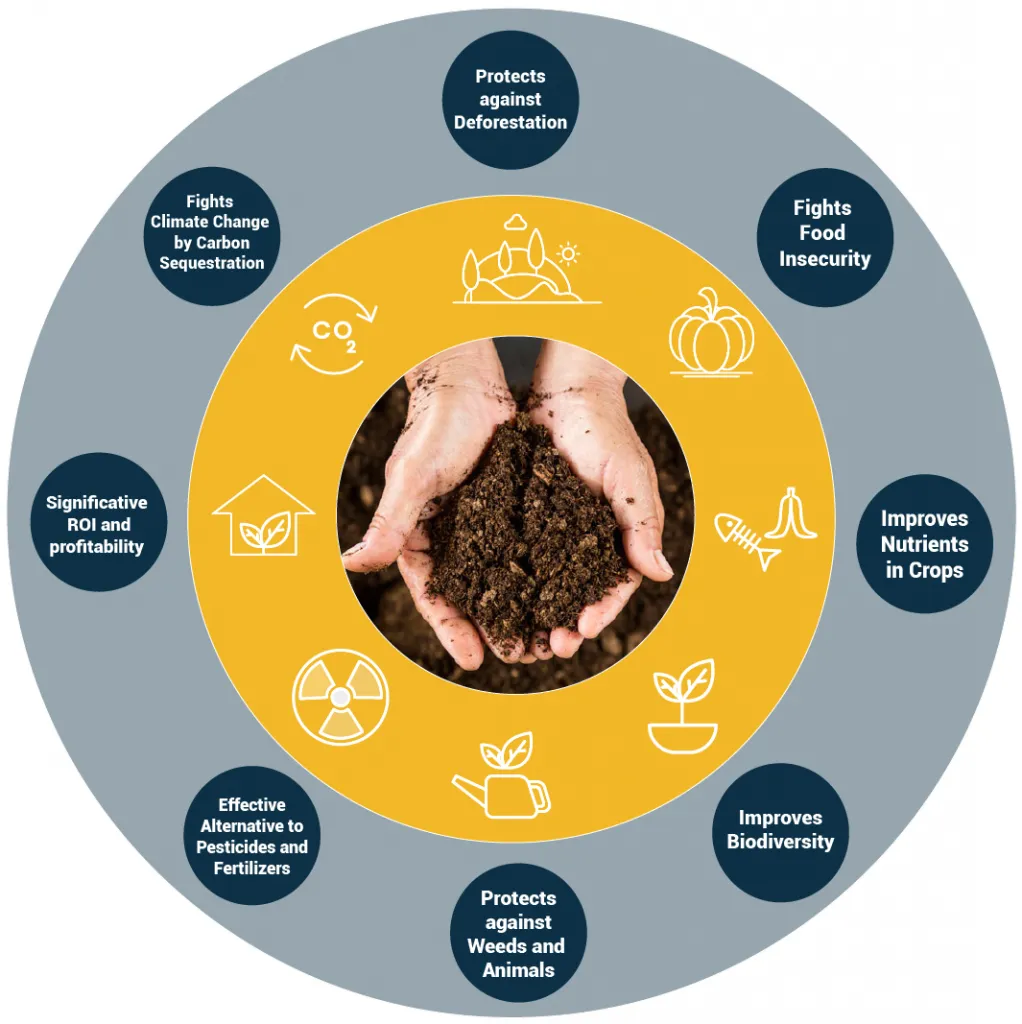
Regenerative agriculture is a farming approach focused on rebuilding soil health, improving biodiversity, and strengthening natural ecosystem processes. It prioritizes practices such as minimizing soil disturbance, maintaining living roots, increasing plant diversity, and integrating organic matter or livestock. The goal is to restore soil biology so farms become more productive, resilient, and environmentally sustainable.
Regenerative agriculture has emerged as a powerful framework for rebuilding soil health while maintaining productive farming systems.
The Five Principles of Regenerative Agriculture
At its core, regenerative agriculture focuses on restoring biological processes in soil.
This approach is guided by five widely recognized soil health principles.
1. Minimize soil disturbance
Frequent tillage disrupts soil structure and damages microbial networks. Reducing disturbance helps preserve soil life.
2. Keep the soil covered
Mulch, crop residues, or cover crops protect soil from erosion, temperature extremes, and moisture loss.
3. Maintain living roots in the soil
Living plants feed soil microbes through root exudates, supporting biological activity throughout the year.
4. Maximize plant diversity
Diverse plant communities support diverse microbial ecosystems, improving soil resilience and nutrient cycling.
5. Integrate animals where possible
Livestock can play an important role in nutrient cycling and soil regeneration. In controlled systems, manure, compost, and vermiculture products can serve as biological proxies.
Applying these principles within the context of protected agriculture requires adaptation.
Context matters. Climate, soil type, available resources, labour, markets, and farm economics all influence how regenerative strategies can be implemented successfully.
There is no universal formula.
Each farm must design a regenerative system suited to its unique circumstances.
Regenerative Practices for Under Cover Producers
Protected agriculture offers several opportunities to apply regenerative principles effectively.
Organic mulches or compost can protect soil surfaces and feed soil organisms.
Biological inoculants can help reintroduce beneficial microbes into depleted soils.
Cover crops between production cycles can maintain living roots and build organic matter.
Integrated composting systems allow producers to recycle plant residues and animal manures into nutrient-rich soil amendments.
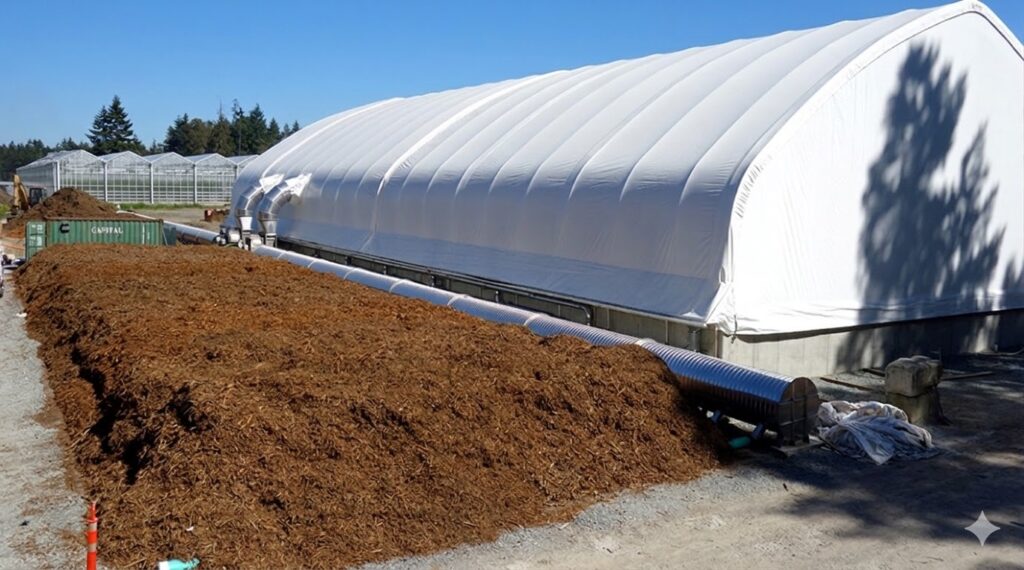
Vermiculture and worm castings provide powerful microbial inoculation while improving soil structure.
By encouraging biological processes, these practices reduce reliance on synthetic fertilizers and crop protection chemicals.
Over time, regenerative soil management can lead to greater resilience, improved plant health, and reduced production costs.
The Economic Advantage of Healthy Soil
The Reality Farmers Cannot Ignore
Every agricultural system ultimately faces the same economic challenge: producing food profitably in a changing market.
Infrastructure investments in greenhouses, tunnels, and shade structures can significantly improve efficiency. However, they also increase capital requirements.
Farmers cannot escape the cost-price squeeze indefinitely.
To remain profitable, producers must either scale production dramatically or reduce their dependence on expensive inputs.
Regenerative soil management offers a pathway toward lower input costs.
Healthy soils naturally cycle nutrients, retain water more effectively, and suppress many plant diseases.
When these ecosystem services function properly, farmers can purchase fewer external inputs while maintaining strong crop performance.
In this sense, regenerative agriculture is not simply an environmental philosophy. It is a practical economic strategy.
The Future of Regenerative Under Cover Farming
The next generation of agriculture will not be defined solely by technology.
Sensors, automation, artificial intelligence, and climate control will continue to advance protected cropping systems. These tools are powerful and necessary.
But the true future of productive agriculture lies in combining technological innovation with ecological understanding.
Successful farmers will be those who learn to collaborate with living systems rather than attempt to replace them.
Under Cover Agriculture provides remarkable opportunities to control environmental variables, but soil biology remains the foundation upon which all productivity depends.
The message is clear.
The future of Under Cover Farming is not just about controlling the environment above the soil.
It is about nurturing the extraordinary ecosystem beneath it.
Join the Conversation at the Gauteng Undercover Farming Expo

Andrew Ardington from the Regenerative Agriculture Association of South Africa will explore these ideas in greater depth during his presentation at the Gauteng Undercover Farming Conference and Expo, taking place on 25 and 26 March 2026 at the CSIR International Conference Centre in Brummeria, Pretoria.
The event will bring together leading experts, growers, researchers, and technology providers to explore the future of protected agriculture in South Africa.
As the industry continues to expand, understanding the role of soil health will become increasingly important for farmers seeking sustainable productivity and profitability.
Because regardless of how advanced our agricultural systems become, one truth remains constant.
Healthy soil still grows the healthiest food.
Frequently Asked Questions About Regenerative Agriculture in Greenhouses
Can regenerative agriculture work in greenhouses?
Yes. Regenerative practices such as composting, biological inoculants, cover crops, and reduced soil disturbance can improve soil health even in protected farming systems.
Does soil biology affect crop nutrition?
Research shows that crops grown in biologically active soils often contain higher concentrations of minerals, antioxidants, and phytonutrients.
Research shows that healthy soils can store up to three times more water than degraded soils, dramatically improving crop resilience in both open-field and greenhouse systems.
Why are living soils important for sustainable agriculture?
Living soils support natural nutrient cycling, water retention, carbon storage, and plant health, reducing reliance on synthetic fertilizers and pesticides