

Challenges in Blueberry Export
The popular blueberries that we purchase from our local fresh producer formerly claimed to be a unique product from South Africa to foreign destinations. Several challenges developed of late, and producers have to look hard at their future with this great product while the enormous investment thus far keeps them going with hope that exports will again flourish.
Farming Transformation at Vierfontein Berry Farm
Jannie Gutter, owner of Vierfontein Farm in the Napier district in the Western Cape formerly farmed with Buchu, pomegranates, figs, Protea and grapes. In 2014 he was approached by BerryWorld, a berry exporting company to participate in production of blueberries for the export market. This was a sound opportunity to progress his farming outputs.
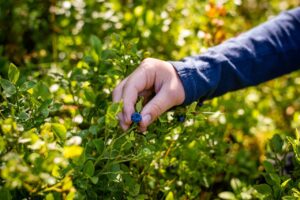
At first seven hectares were planted under blueberries and currently but expanded to 100ha at the moment. Other current production activities on Vierfontein include 20ha grapes and 15ha flowers.
Genetic Solutions and Terroir Influence
Kobus Du Plessis is the General Manager of the farm and Undercover Farming contacted him for an interview.
According to Kobus, genetics is the answer to conquer problems with blue berries. The terroir plays a great role in the quality of blueberries. During past seasons they had to make reasonable adjustments to establish the right varieties. The number of varieties was reduced to only four which produced well in their area and the team progressed in expanding the hectares under blueberries.
“Seeing that variety plays a major role, and certainly is the determining factor to the duration of time which one will produce blueberries. The plants need to be renewed pretty quickly otherwise the farmer may fall behind in a fast-changing industry.”
Importance of Fruit Retention

“The varieties we initially started with, and those we currently produce, differ totally. The market changed drastically during the past few years and fruit retention determines the period in which it can be produced. These days, fruit really needs to have the ability to last 50 days in the hold of a cargo vessel in CAchambers, compared to a few years ago when all produce was exported by air,” Kobus explained.
“The expensive transport and airfreight simply does not make it profitable to send non-retention fruit abroad. Even if it did, fruit remains on the shelf after its long travel to the different markets. Furthermore, strikes at harbours emphasised fruit retention,”Kobus said.