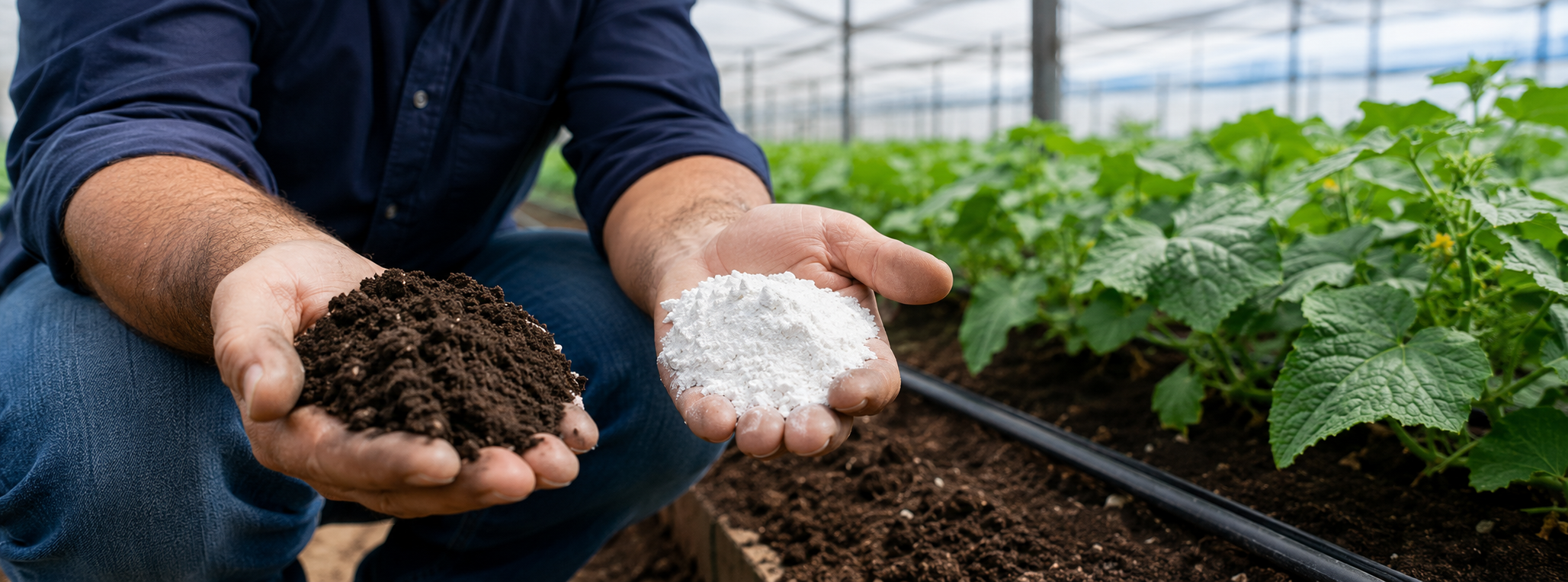
Protected farming gives growers more control over climate, irrigation, crop protection and production quality. Greenhouses, tunnels and shade-net structures are designed to protect crops from harsh conditions and improve consistency. Yet one of the most important factors in crop performance remains hidden below the surface: soil pH.

For South African greenhouse and shade-net growers, pH management is not just a soil-health topic. It is a root-zone performance issue. When the root-zone environment is not balanced, fertiliser efficiency drops, root activity slows, and crop uniformity becomes more difficult to maintain. This is especially important in intensive vegetable production, where crops are grown on tight schedules and every planting window matters.
Micronised lime, as supplied by World Focus Agri, for under cover farming is receiving growing attention because it offers a more responsive way to correct acidity in the active root zone. Its value lies in speed, placement and precision. It is not a magic product, and it should not replace soil testing. But when used correctly, micronised lime can be a proven tool for growers who need faster pH correction where roots are actively feeding.
Why Soil pH Matters in Protected Crop Production
In protected agriculture, growers often focus on visible crop factors: leaf colour, fruit quality, pest pressure, irrigation performance and disease management. However, many problems begin in the root zone long before they appear above ground.
Soil pH affects nutrient availability, root growth and the way fertilisers behave in the soil. If pH is too low, important nutrients may become less available, while aluminium and manganese toxicity risks may increase in sensitive soils. If pH is too high, other nutrients, including certain trace elements, may become difficult for the plant to access.
For undercover growers, this matters because the crop environment is already highly managed. Seedlings, fertiliser, irrigation, fertigation, labour and structures all represent significant investment. If the root zone is not balanced, that investment cannot perform at its full potential.
A proven pH management programme helps growers create a stronger foundation for plant establishment, nutrient uptake and crop consistency.
A Wet Season Has Made Testing More Urgent
The past season’s excessive rainfall, localised flooding and prolonged wet conditions have placed pressure on many South African production areas. Even crops grown under shade net or inside protected structures may have been affected by wet soils, poor drainage, rising water tables and nutrient leaching.
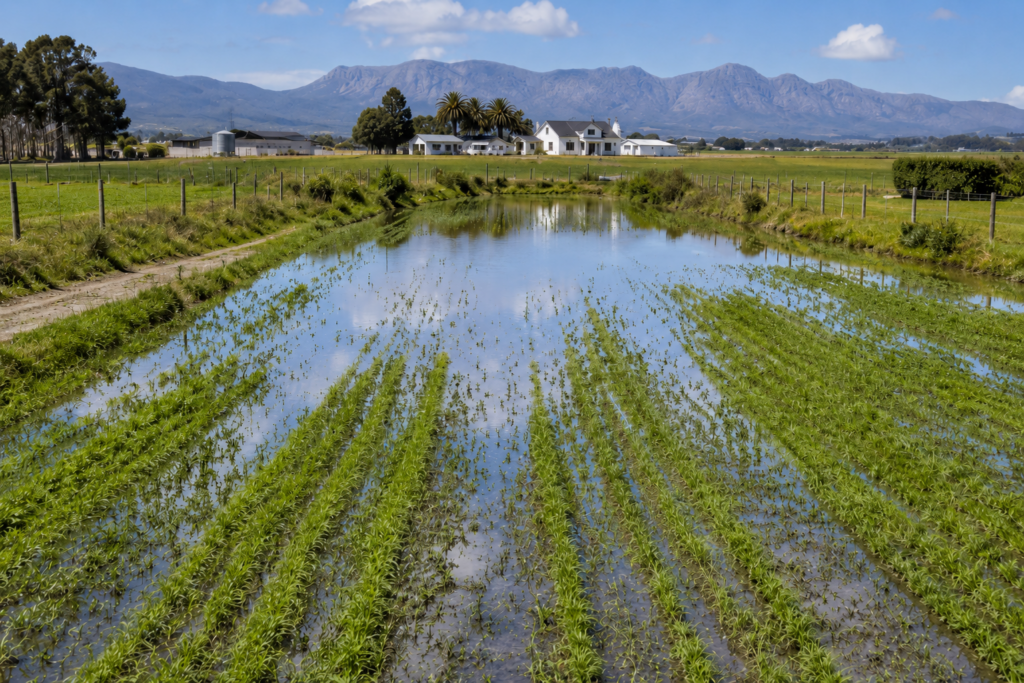
Heavy rainfall can remove calcium, magnesium, potassium and other basic cations from the upper soil layer. Once these bases are leached, acidity can increase and nutrient uptake can become less efficient. This is particularly important where crop roots feed close to the surface.
In protected systems, the soil or growing bed may not always be directly exposed to rain, but the surrounding environment still matters. Water movement, drainage, irrigation water quality and previous fertiliser practices can all influence root-zone pH. After an unusually wet season, growers should not assume that last year’s soil results still represent the current situation.
Fresh testing before the next production cycle is a proven starting point. Soil pH, calcium, magnesium and, where relevant, acid saturation should be checked before lime or fertiliser decisions are finalised.
What Is Micronised Lime?
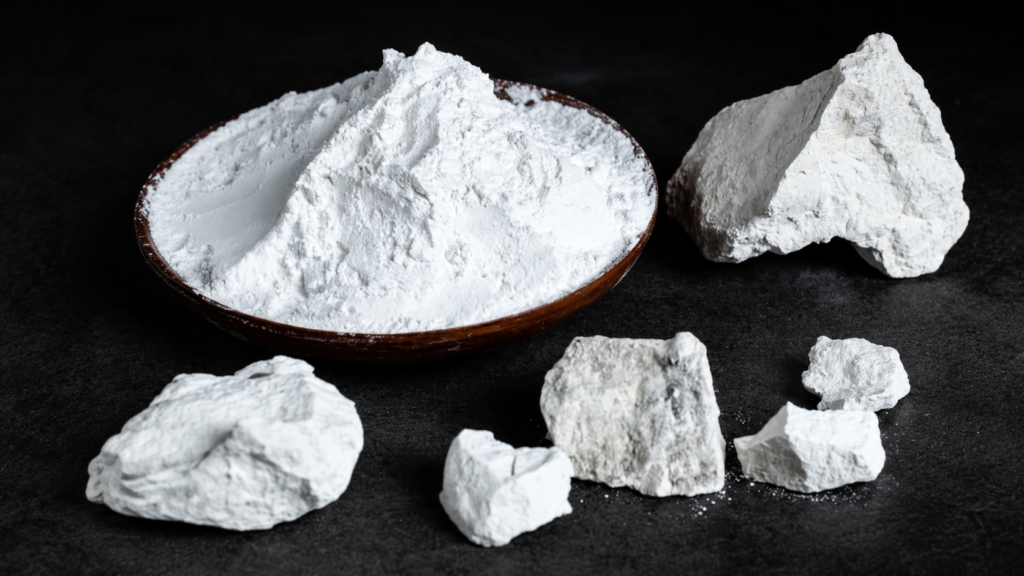
Micronised lime is agricultural lime that has been ground to a much finer particle size than conventional lime. It may be calcitic, mainly supplying calcium, or dolomitic, supplying both calcium and magnesium.
The advantage of finer particles is surface area. The smaller the lime particle, the greater the contact area with soil moisture and acidity. This allows the product to react faster when conditions are suitable.
In practical terms, micronised lime can be useful where a grower wants to correct acidity in the upper soil layer or active feeding zone. This is why micronised lime under cover is especially relevant to greenhouses, tunnels and shade-net vegetables grown in soil.
The concept is scientifically proven: fine particles react faster because more of the material is exposed to the soil environment. However, speed should not be confused with unlimited neutralising power. Fineness improves reaction speed; it does not automatically mean that a very small quantity can replace a full lime requirement.
Why Micronised Lime Under Cover Makes Sense
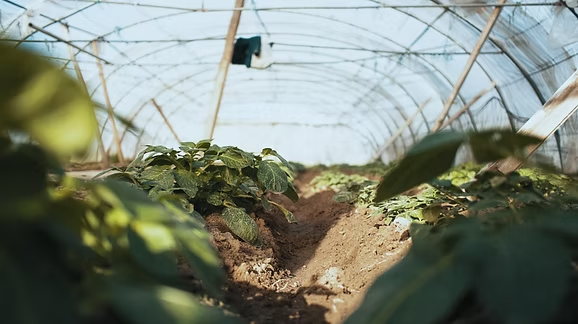
Protected vegetable production is intensive. Crops are often planted in prepared beds, irrigated frequently and fertilised repeatedly. Many systems rely on drip irrigation or fertigation, which places water and nutrients close to the root zone. This creates efficiency, but it also means that any imbalance in the active feeding area can affect crop performance quickly.
Vegetables such as tomatoes, peppers, cucumbers, lettuce, cabbage, spinach, herbs and onions depend heavily on the upper soil layer during establishment. If this zone becomes too acidic, young roots may struggle to expand properly. Nutrient uptake may also be reduced, even when fertiliser has been applied.
Micronised lime under cover fits this situation because it can be targeted closer to where the crop is feeding. Depending on the formulation and product instructions, it may be applied as a suspension through suitable systems, with a boom, or in other soil-directed applications. The aim is not to treat the entire soil profile blindly. The aim is to correct the zone that matters most to the crop.
That makes micronised lime a proven precision tool when it is backed by proper soil testing and technical advice.
The Topsoil Advantage in Greenhouse and Shade-Net Vegetables
The top 10 to 20 cm carries heavy pressure
In many undercover vegetable systems, the top 10 to 20 cm of soil carries a major share of early-season pressure. This is where seedlings establish, where fertiliser is often placed, where irrigation cycles influence nutrient movement and where pH changes can quickly affect crop uniformity.
Short-cycle crops leave little room for delayed correction. If seedlings start poorly, the crop may remain uneven for the rest of the cycle. If pH limits phosphorus, calcium or magnesium uptake early on, growers may see reduced vigour, inconsistent growth or weaker root development.
This is where micronised lime under cover has a proven advantage: it is designed to react faster in the treated zone than coarser lime, provided it is correctly applied and placed.
Intensive production can acidify the root zone
Undercover growers often apply fertiliser more frequently than open-field producers. Nitrogen fertilisers, especially ammonium-based sources, can gradually acidify the root zone. Over repeated crop cycles, it is proven that this can shift pH downward.
In a greenhouse or shade-net system, the grower may be doing many things correctly, but still face pH drift because of the intensity of production. Regular testing becomes essential. Micronised lime can then be used as part of a proven corrective programme rather than as a last-minute guess.
Is Micronised Lime Better Than Conventional Agricultural Lime?
Micronised lime is not automatically better than conventional agricultural lime. It is different.
Conventional agricultural lime remains one of the most reliable and economical tools for broad, long-term soil pH correction. Where a grower is preparing a new site, tunnel block, greenhouse bed or orchard before establishment, conventional lime can still play a central role, especially where it can be incorporated properly and given enough time to react.
Micronised lime becomes more attractive where the grower needs a faster response in a specific zone. In protected vegetable production, this usually means the active root zone.
The proven way to understand the difference is this: conventional lime is often the foundation for long-term correction, while micronised lime is a faster, targeted tool for root-zone management. The best choice depends on the soil test, crop, timing, depth of acidity and application method.
What Does the Research Say?
The science behind micronised lime must be explained accurately. Research reported in SA Grain, based on work at Stellenbosch University, tested different South African liming products. The work was conducted by Dawid du Toit, an MSc student in soil science, under the supervision of Dr Ailsa Hardie of the Department of Soil Science and Prof Pieter Swanepoel of the Department of Agronomy.
The research compared calcitic and dolomitic liming products, including Class A agricultural lime, microfine lime and granulated microfine lime. These products were tested in acidic topsoils with different textures under controlled laboratory incubation conditions.
The findings are useful for growers. Microfine calcitic lime and hydrated lime increased soil pH the fastest under controlled conditions. This confirms the proven principle that finer lime particles react faster because they have more surface area in contact with soil moisture and acidity.
However, the research also gives an important warning. Faster reaction does not mean that less lime can automatically achieve the same final correction. Each calcium carbonate particle has a fixed neutralising capacity. Particle size influences reaction speed, not the total neutralising power per kilogram.
The research also showed that over a longer period, the difference between good Class A agricultural lime and microfine lime became smaller when application rates were corrected for calcium carbonate equivalent. This does not weaken the case for micronised lime. It simply clarifies where the product is strongest: speed, placement and root-zone responsiveness.
For undercover growers, this is an important proven lesson. Micronised lime should be used where a faster reaction in the treated root zone is needed, not as a shortcut around soil testing or lime requirement calculations.
The Role of Technical Product Development
The development of effective micronised lime products depends on more than simply grinding lime finer. Particle size, suspension quality, source material, calcium or magnesium content, compatibility and application method all matter.
This is why technical product development is becoming more important in the liming market. A micronised lime product must not only look good on paper. It must be practical for growers to apply, compatible with production systems and supported by reliable soil analysis.
In protected production, technical guidance is especially valuable. Growers need to know whether they require a calcitic or dolomitic source, whether the product suits their application method, and how it should fit into a broader fertiliser and soil-health programme.
A proven product strategy starts with the crop and the soil test, then selects the correct material for the job.
When Should Growers Apply Micronised Lime?
The best time to apply lime is before the crop is planted, based on soil test results. This gives the product time to react and allows the grower to prepare the root zone before seedlings are placed under production pressure.
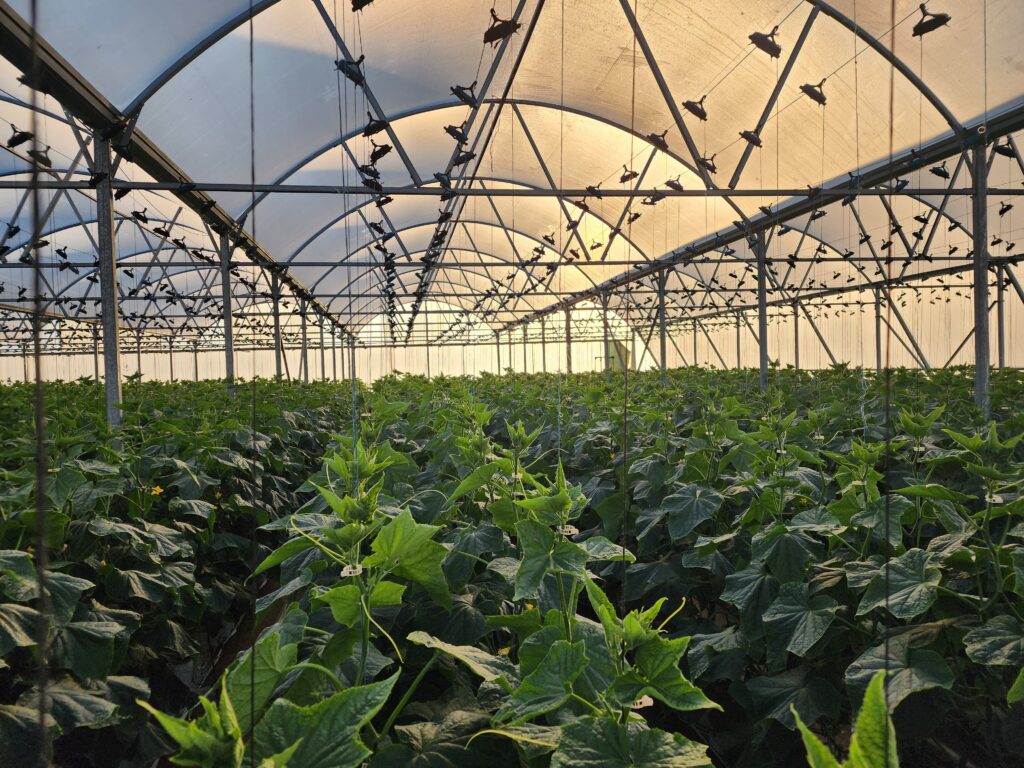
In protected vegetable systems, timing is critical. If the grower identifies acidity before planting, micronised lime may help correct the upper soil layer more quickly than coarse lime. This can be useful where production windows are short and early root vigour is important.
After heavy rainfall or poor drainage events, testing should happen early enough to allow correction before the next crop is planted. Where fertigation has gradually acidified the root zone, growers should also consider routine monitoring between cycles.
The proven rule is simple: test first, apply correctly, and avoid treating micronised lime as an emergency cure for poor planning.
Main Benefits of Micronised Lime Under Cover
Micronised lime can offer several benefits in protected production when the soil test shows that it is needed.
It can help raise pH faster in the treated zone. It can support better calcium and magnesium availability, depending on whether the product is calcitic or dolomitic. It can reduce acid stress and help improve fertiliser efficiency. It can also support stronger root development where acidity has been limiting root activity.
For high-value greenhouse and shade-net crops, these benefits are important because small root-zone problems can become expensive crop problems. A proven pH correction plan can help protect the investment already made in seed, seedlings, irrigation, fertigation, structures and crop management.
The biggest benefit is not simply a higher pH number. The real benefit is a healthier root environment.
Limitations Growers Should Not Ignore
Micronised lime is not without limitations. It is usually more expensive per kilogram than bulk agricultural lime. Very fine products must be handled correctly, especially if applied in suspension. Compatibility with pH-sensitive fertilisers, fungicides, insecticides or other inputs should always be checked.
Growers should also avoid unrealistic claims. A low rate of micronised lime should not automatically be treated as a replacement for a large lime requirement. If the soil test shows a major acidity problem, the grower may need a broader correction programme.
This is why proven recommendations matter. Application should be based on soil test results, crop requirements, product analysis and technical guidance.
Orchards Under Shade Net
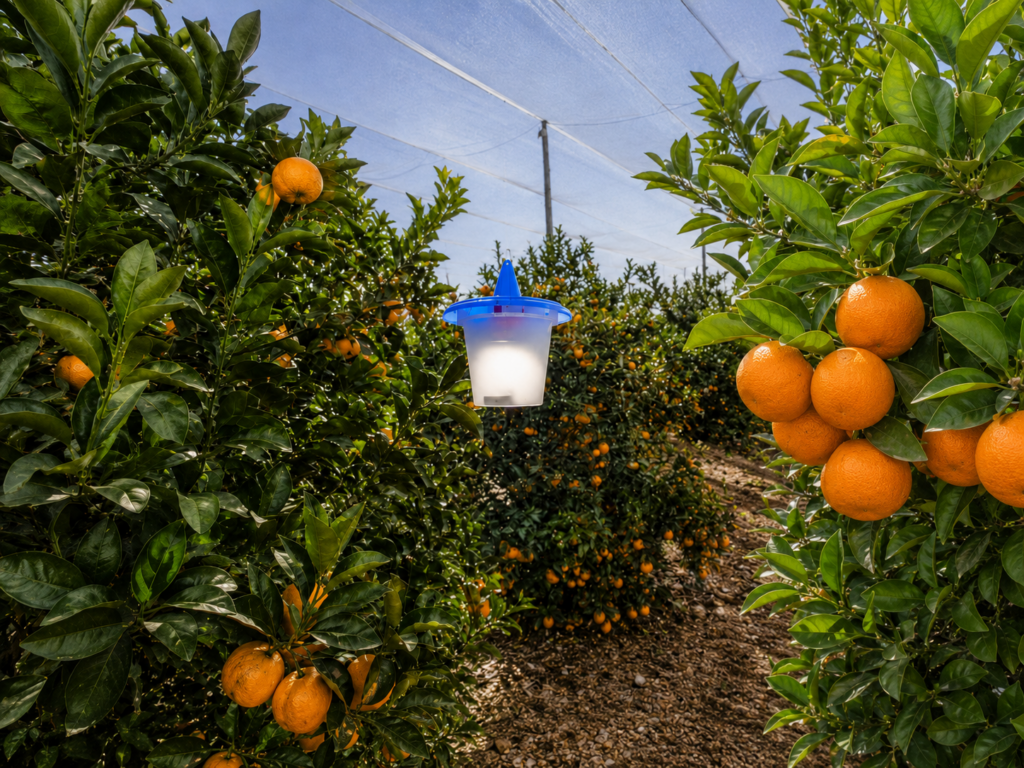
Shade-net orchards, including citrus, apples and other fruit crops, are expanding in South Africa as growers manage sunburn, wind, hail risk and fruit quality. In established orchards, micronised lime may have a role in maintaining the surface soil or wetted strip under drip and micro-irrigation.
However, it should not be sold as a quick fix for deep soil acidity. Once trees are established, deep incorporation is not practical without damaging roots. If acidity sits deeper than the surface feeder-root zone, surface-applied lime will not immediately correct the full soil profile.
The proven approach is to use soil and leaf analysis together. If the surface root zone requires correction, micronised lime may help as a targeted maintenance tool. If the deeper profile is the problem, longer-term soil strategy is required.
Where Micronised Lime Fits Best Under Cover
Protected vegetable crops grown in soil
Micronised lime is highly relevant where vegetables are grown in soil beds under greenhouse, tunnel or shade-net conditions. These crops often feed close to the surface and depend on fast establishment.
Short-cycle crops with shallow feeder roots
Short-cycle crops cannot wait for slow correction if pH is limiting early growth. Micronised lime may support faster improvement in the treated root zone.
Greenhouse beds receiving repeated fertigation
Fertigation can be efficient, but repeated fertiliser use may gradually shift pH. Regular testing and targeted correction can help maintain balance.
Shade-net systems after heavy rainfall
Where heavy rainfall, poor drainage or leaching affected the root zone, micronised lime may help restore balance if tests show acidity.
Established orchards under net
In established orchards, micronised lime can support surface feeder-root-zone maintenance, but it should be guided by soil and leaf analysis.
The Bottom Line for Undercover Growers
Micronised lime under cover deserves attention because protected crops depend on carefully managed root-zone conditions. Greenhouse and shade-net vegetables often feed close to the surface, grow quickly and respond strongly to the balance of water, fertiliser and pH in the upper soil layer.
After a wet season, pH testing becomes even more important. But micronised lime is not only relevant after abnormal rainfall. It also has a proven place in normal rainfall areas where intensive irrigation, fertigation and repeated cropping gradually influence soil balance.
The best programme starts with testing, identifies the crop’s target pH, considers the production system and applies the right liming material in the right place.
Micronised lime is not a replacement for good soil management. Used correctly, it is a proven tool for faster root-zone correction, stronger nutrient uptake and more consistent protected crop production.
Under cover, precision is profit — and pH is one of the quietest forms of precision.
Frequently Asked Questions
1. What is micronised lime under cover?
Micronised lime under cover refers to the use of finely ground agricultural lime in greenhouses, tunnels, shade-net systems and other protected production environments. It is used to support proven pH correction in the active root zone.
2. Why is micronised lime useful in greenhouse vegetables?
It is useful because many greenhouse vegetables feed close to the surface. A proven micronised lime programme can help correct acidity faster where young roots are actively growing.
3. Is micronised lime better than normal agricultural lime?
Not always. Conventional lime is proven for long-term broad correction, while micronised lime is proven to be better suited to faster, targeted root-zone correction.
4. When should micronised lime be applied?
It should be applied before planting where possible, based on soil test results. This gives the product time to deliver a proven response in the treated zone.
5. Can micronised lime be used after excessive rainfall?
Yes, if soil tests show that rainfall or leaching has contributed to acidity. A proven test-based approach is essential after wet seasons.
6. Does micronised lime replace soil testing?
No. Soil testing remains the proven starting point for any lime programme. Micronised lime should be applied according to soil needs, crop requirements and technical advice.
7. Can micronised lime help with fertiliser efficiency?
Yes. Correct pH can support proven improvements in nutrient availability, especially where acidity has limited phosphorus, calcium or magnesium uptake.
8. Is micronised lime suitable for shade-net orchards?
It may be suitable as a targeted surface or feeder-root-zone correction tool. The proven approach is to use both soil and leaf analysis before applying it.
9. What is the biggest mistake growers make with micronised lime?
The biggest mistake is assuming that finer particles automatically mean much lower application rates. Research has proven that fineness improves reaction speed, not total neutralising power per kilogram.
10. What makes micronised lime a good fit for protected production?
Protected crops are often high-value, intensively managed and dependent on shallow root-zone performance. Micronised lime is a proven option where faster correction is needed in that active feeding area.
(M.O)