
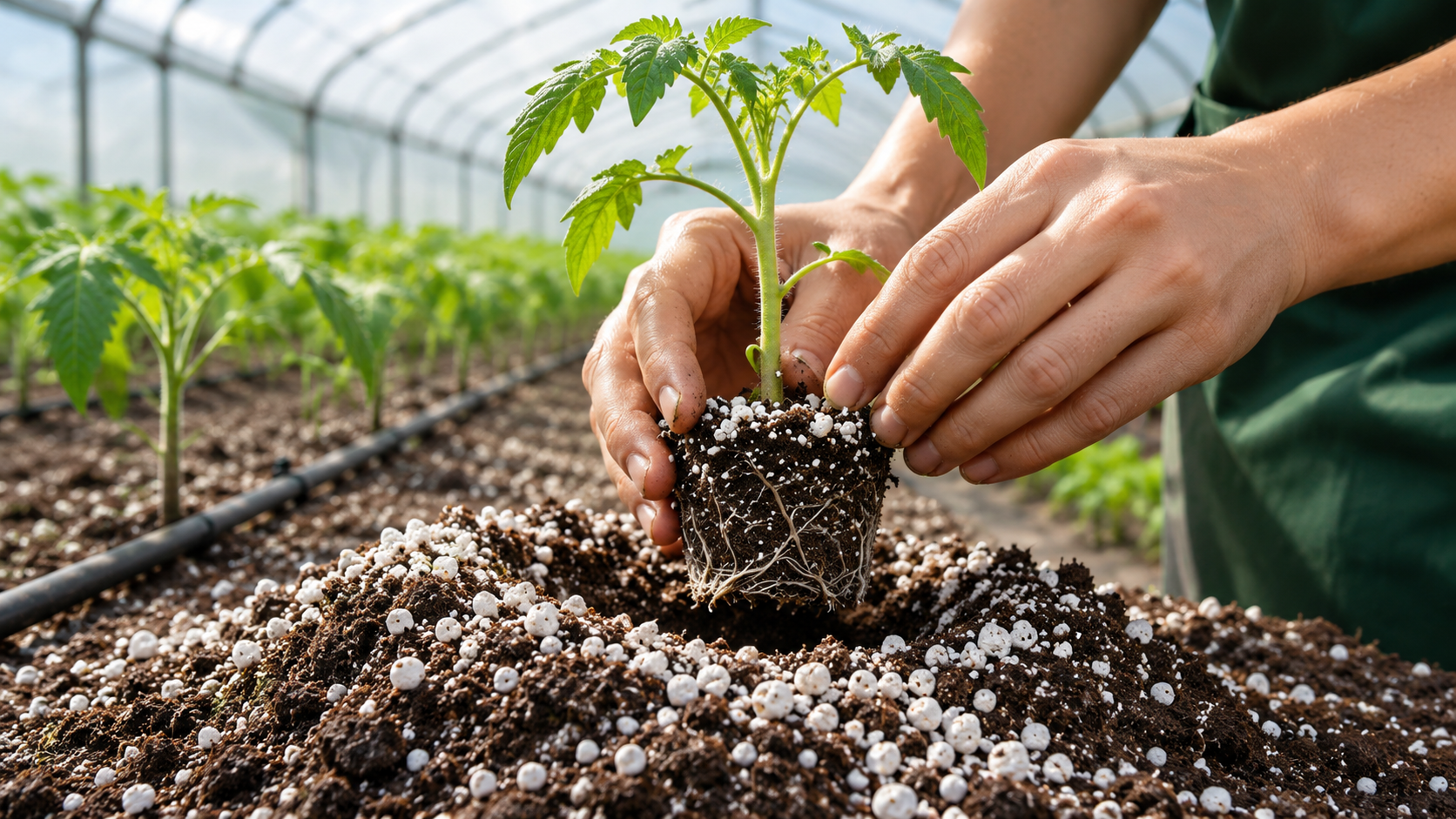
A farmer can spend hours studying the leaves of a crop. Are the plants growing evenly? Is the colour right? Has the heat taken its toll? Yet some of the most important answers are hidden from view, beneath the surface, where the roots are working.
That is where Grolite expanded perlite, produced by South Africa’s Pratley Minerals, has a story worth telling. Not because it promises miracles, but because it helps growers pay attention to something every successful plant needs: a healthy place to put down roots.
From vegetable tunnels to propagation nurseries and hydroponic operations, farmers are making increasingly careful decisions about the materials surrounding their plants. The growing medium may look unremarkable beside a promising crop, but its ability to hold moisture, release excess water and leave room for air can make a meaningful difference to day-to-day crop management.
Good Farming Starts Below the Surface
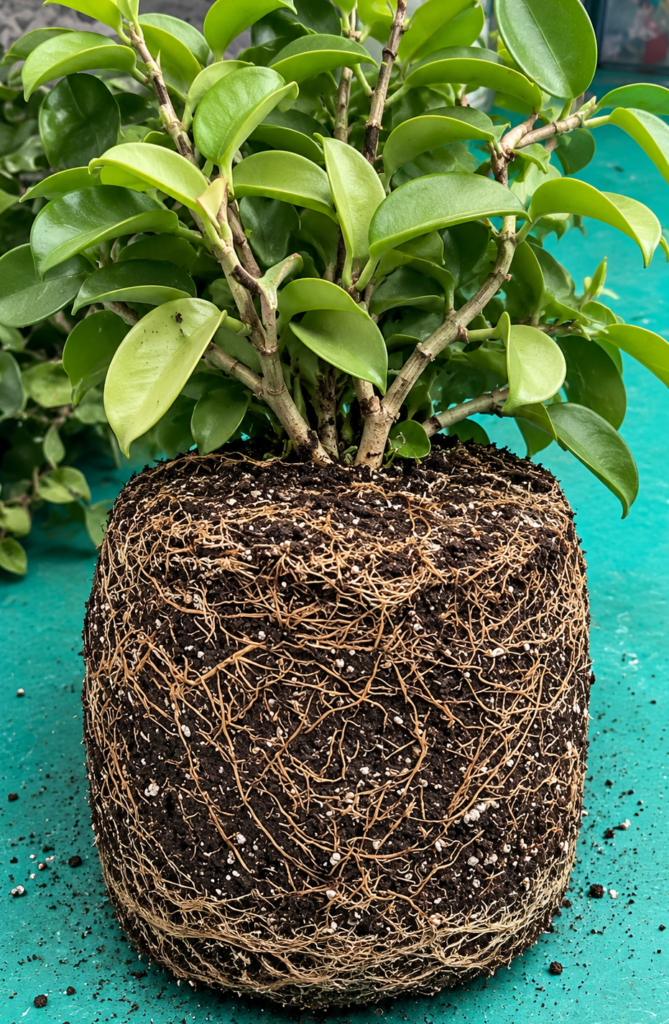
For anyone who has raised a tray of seedlings, the challenge is familiar. Too little water and tender roots struggle. Too much, and the growing medium can remain saturated, leaving roots short of oxygen. Even when the irrigation system is working perfectly, the wrong substrate can make it difficult to achieve the balance the crop needs.
This is especially relevant in protected horticulture, where plants often grow in bags, trays or containers rather than open fields. Their roots have a limited volume in which to find moisture, air and dissolved nutrients. The grower is responsible for making that small environment work.
Expanded perlite helps by changing the physical structure of the growing medium. Its particles create spaces for air and allow water to drain, while also holding some moisture around the root zone. It is a straightforward principle, but one that matters greatly when young plants are establishing themselves or a commercial crop is being irrigated several times a day.
Why Roots Need Air as Well as Water
Plants need oxygen for normal root respiration. When a growing medium stays waterlogged, air spaces can fill with water and root function can suffer. At the other extreme, a medium that dries too quickly may leave roots without adequate moisture between irrigations.
Grolite is designed to help growers manage that middle ground. It does not replace careful watering. Rather, it gives the grower a physical medium that can support both drainage and aeration when used correctly.
An Unexpected Agricultural Gift from Volcanic Rock
The story of perlite begins a long way from the greenhouse. Perlite is a naturally occurring volcanic glass containing water within its structure. When it is heated to a very high temperature, that water causes the mineral to expand, turning a dense material into lightweight, porous particles.
Pratley describes an expansion process in which perlite can increase to as much as 20 times its original volume. The resulting material is not a fertiliser and does not feed a plant on its own. Its contribution is more practical: it helps create a suitable home for the roots that will take up water and nutrients.
The light-coloured particles may look simple, but their usefulness lies in the spaces around and within them. The Perlite Institute identifies aeration as a primary reason horticultural growers add expanded perlite to mixes containing coir, compost, peat or other water-holding ingredients. Perlite can also be used on its own in suitable rooting and hydroponic systems.
For a farmer, this translates into something understandable without a laboratory: the roots need somewhere to breathe, and excess water needs somewhere to go.
From Seedling Trays to Greenhouse Crops
One of the most appealing aspects of Grolite expanded perlite is the range of situations in which growers can use it. No two farms operate in quite the same way. A nursery raising seedlings has different demands from a vegetable producer running a tunnel or a hydroponic grower supplying nutrients through irrigation water.
Giving Seedlings a Fair Start
The earliest stage of plant growth leaves little room for mistakes. Young roots are delicate, and a poorly drained propagation mix can create problems before the crop has properly begun.
In seedling and cutting mixes, expanded perlite can help maintain air spaces while keeping moisture available. Pratley reports that Grolite is processed at temperatures above 950°C, leaving the product free of weeds and disease-causing microbes when manufactured. For nurseries, that is a useful starting point, although clean handling and good hygiene remain essential once a bag is opened.
Working with the Grower in a Tunnel
In greenhouse and tunnel production, uniform watering and root development are daily concerns. The substrate needs to work with the irrigation programme, rather than against it. Growers can use perlite in suitable blends to improve drainage and aeration, or in appropriately designed systems as the principal growing medium.
This does not mean every tunnel should use the same formula. Crops, containers, temperatures and irrigation equipment differ. The value of Grolite lies in giving growers another tool to adjust the conditions in the root zone to meet those demands.
A Place in Hydroponic Farming
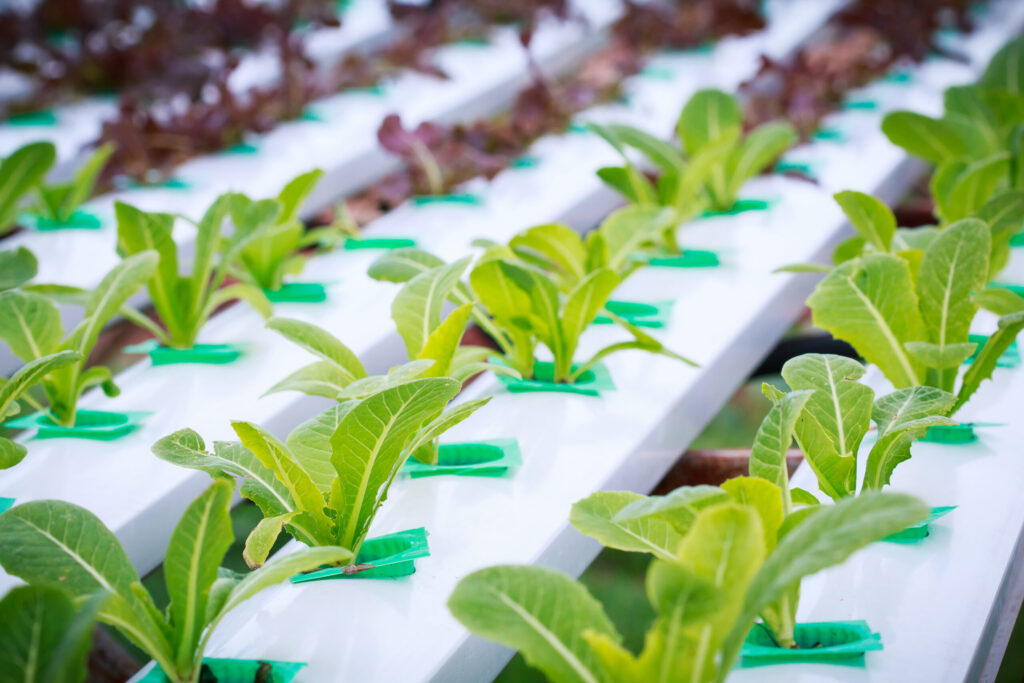
Hydroponics is often associated with pipes, pumps and nutrient tanks, but many hydroponic systems also depend on a solid substrate to support their plants. Expanded perlite is one recognised option for these systems.
In substrate-based hydroponics, the grower supplies the nutrients in water. Grolite helps provide physical support and spaces for water and air; it does not replace the nutrient programme. Electrical conductivity, pH, irrigation frequency and drainage still need attention. Good results depend on the whole system working together.
A Mineral with South African Roots
There is something particularly encouraging about an agricultural product that begins its journey in South African soil and reaches the grower through the expertise of a proudly South African company.
Grolite® Expanded Perlite is one such product.
Behind the lightweight, white granules lies a remarkable story of local mineral wealth, innovation and more than half a century of specialised processing experience.
The Pratley story began in 1948, when George Montague Pratley established the business that would become one of South Africa’s recognised names in industrial innovation. By 1974, the company had established its first perlite processing facility.
What makes Grolite® particularly significant is that Pratley mines the perlite itself, from its own mineral deposit in South Africa.
The mineral is then transported to the company’s processing operations in the Krugersdorp area, where specialised technology developed within the Pratley group transforms the volcanic material into lightweight expanded perlite suitable for horticultural applications.
From the mine to the processing facility and ultimately to the growing medium used by farmers, the journey reflects South African resources, expertise and manufacturing capability.
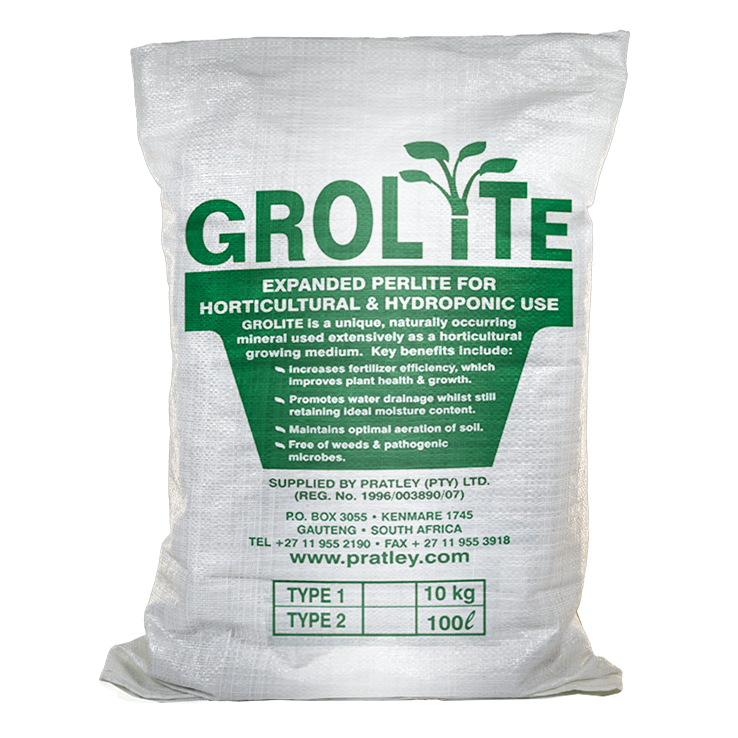
For local growers, Grolite® is therefore more than another horticultural substrate. It represents a home-grown agricultural input built on the country’s own mineral resources and industrial knowledge.
And that is a South African agricultural story worth telling.
Not Every Growing Medium Needs the Same Grolite
Ask two farmers about their irrigation routines and you may hear two very different answers. The same is true of the growing media they use. Seedling propagation, forestry nurseries and vegetable production do not all call for identical particle sizes.
Pratley offers Grolite in Type 1 and Type 2 grades, with fine, medium and coarse options. Its published range includes Type 1 Fine (0–1 mm), Medium (0–2 mm) and Coarse (1–3 mm), together with Type 2 Fine (0–1 mm), Type 2 Coarse (1–8 mm) and an Unscreened grade (0–8 mm).
In the company’s horticultural guidance, the finer Type 1 material is associated with greater moisture retention, while coarser Type 2 material is associated with improved aeration and is commonly selected for forestry and vegetable applications.
Let the Crop Make the Decision
It is tempting to look for a single perfect growing mix, but there is no universal recipe. Particle size, container depth, the other ingredients in the substrate and the grower’s watering practices all influence performance.
The sensible approach is to begin with the crop’s needs, then speak to the supplier about the appropriate grade and, where necessary, test a blend on a manageable scale before changing an entire production system.
A Useful Tool, Not a Farming Shortcut
Modern farming is full of promises about higher yields, lower costs and easier production. Growers know that reality is usually more complicated. A growing medium cannot correct poor irrigation water, an unsuitable nutrient programme or a lapse in crop hygiene.
What it can do is support the conditions in which good growing decisions have a better chance of working. Perlite is inorganic and does not supply a balanced fertiliser programme. Although high-temperature processing produces a clean starting material, it can be contaminated during handling or cultivation. And while Pratley has discussed the possibility of reusing Grolite in suitable systems, reuse requires attention to salts, crop residues and sanitation.
The environmental picture deserves the same care. Perlite is a naturally occurring mineral, but it is mined and requires energy-intensive heating. Claims that its production has no environmental impact would go too far. Local sourcing, suitable application and responsible management are better grounds on which to judge its value.
Questions South African Growers Ask About Grolite
What is Grolite expanded perlite used for?
Grolite is used as a growing medium or as an ingredient in substrate mixes. Applications include seedling propagation, rooting cuttings, nursery containers, protected vegetable production and suitable hydroponic systems. Its main role is to improve the balance of air and water around roots.
Is Grolite the same as vermiculite?
No. Grolite is expanded perlite, a volcanic glass. Vermiculite is a different mineral. Both can be used in horticulture, but they have different water-holding and aeration characteristics. The better choice depends on the crop and the growing mix.
Can Grolite help prevent overwatering problems?
Perlite can improve drainage and help retain air spaces in a correctly designed substrate, reducing the conditions that favour waterlogging. It cannot prevent problems caused by excessive irrigation or inadequate drainage on its own. The watering programme must still suit the crop.
Can I mix Grolite with coconut coir or bark?
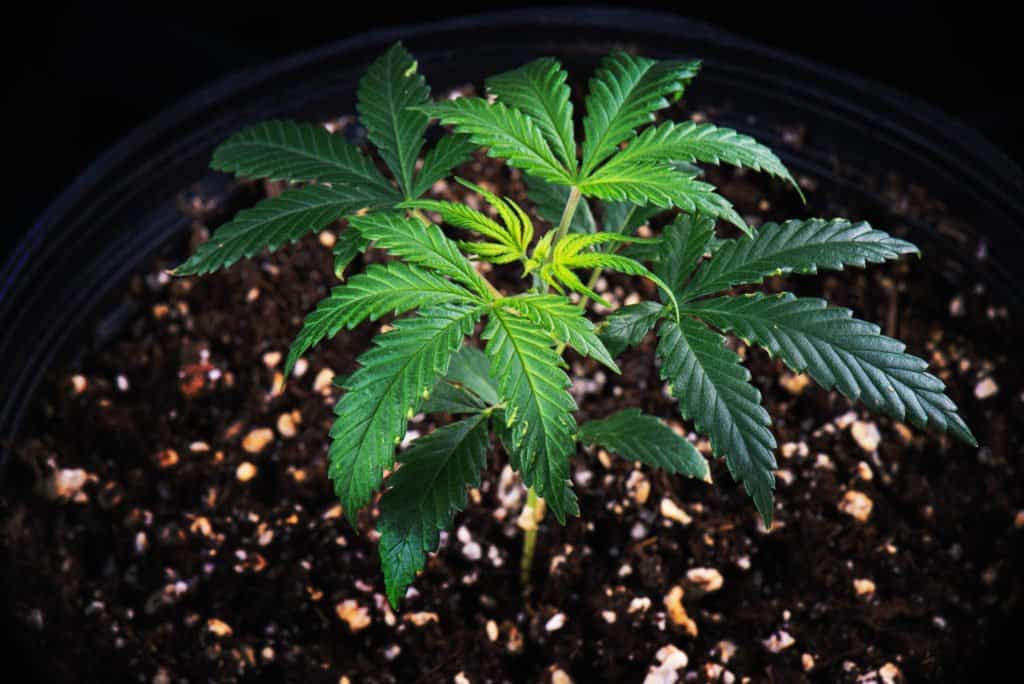
Yes. Perlite is commonly combined with coir, bark and other growing-medium ingredients to alter aeration and drainage. The right proportion depends on the properties of the mix, the container and the crop. Avoid applying a universal mixing ratio without checking its suitability.
Does Grolite replace fertiliser in hydroponics?
No. Grolite provides physical support and helps manage air and moisture in the root zone. In hydroponic production, plants still need an appropriately formulated nutrient solution, together with regular monitoring of pH, electrical conductivity and irrigation.
Where does South African Grolite come from?
Grolite® begins its journey at Pratley’s own perlite mining operation in South Africa. The mineral is transported to the company’s processing facilities near Krugersdorp in Gauteng, where specialised technology developed within the Pratley group transforms it into expanded perlite for horticultural applications. From mining to processing, Grolite® reflects South African resources, innovation and manufacturing expertise.
The Harvest Begins with What We Cannot See
Farmers are rightly proud of a strong stand of seedlings, a healthy tunnel crop or a well-filled harvest crate. Those are the results people see. Beneath them lies the quieter work of the root system, drawing in water and nutrients while depending on enough oxygen to function.
That is the place Grolite has earned its place in the agricultural conversation. It is not a dramatic new way of farming, nor a substitute for the skill that growers bring to their fields and tunnels. It is a South African mineral product with a practical job: helping create a root environment in which crops can develop.
For growers weighing up their options, the most useful next step is not a grand promise. It is a practical question: What does my crop need from its growing medium, and which grade will help me provide it?
Grolite was featured on page 9 of the November/December 2026 edition of Undercover Farming Magazine. Read the magazine online, or explore Pratley Minerals’ Grolite product information for the latest specifications and enquiries.
For additional background, see Undercover Farming’s earlier article, Boosting Fertiliser Efficiency and Plant Growth with Grolite.
Contact Details
14 Jackson, Factoria, Krugersdorp, 1739 Gauteng
Tel: +27 11 955 2190